In this post
- Understanding the Main Types of Metal Roofing
- What Is a Standing Seam Metal Roof?
- Exposed Fastener Systems
- Metal Shingles and Specialty Systems
- Comparing Metal Roof Styles
- The Parts of a Metal Roof: What Makes It Perform
- Flat Metal Roofs: Are They a Good Option?
- Durability: How Long Do Metal Roofs Really Last?
- Performance in Oklahoma Weather
- Aesthetic Value and Architectural Impact
- Long-Term Cost of Ownership
- Choosing the Right System for Your Home
- Work with Oklahoma’s Trusted Metal Roofing Experts
Metal roofing continues to grow in popularity among Oklahoma homeowners who value durability, architectural refinement, and long-term performance. However, before selecting a system, it is important to understand the different types of metal roofing available and how each option impacts lifespan, appearance, and return on investment.
Not all metal roofs are built the same. The design, installation method, and material selection directly affect durability and aesthetics. This guide walks through the most common types of metal roofing and reviews structural considerations in residential applications.
Understanding the Main Types of Metal Roofing
When evaluating the various types of metal roofing, homeowners typically encounter three primary categories:
- Standing seam metal roofing
- Exposed fastener (screw-down) panels
- Metal shingles or specialty systems
Each option offers different levels of performance, longevity, and architectural appeal.
What Is a Standing Seam Metal Roof?
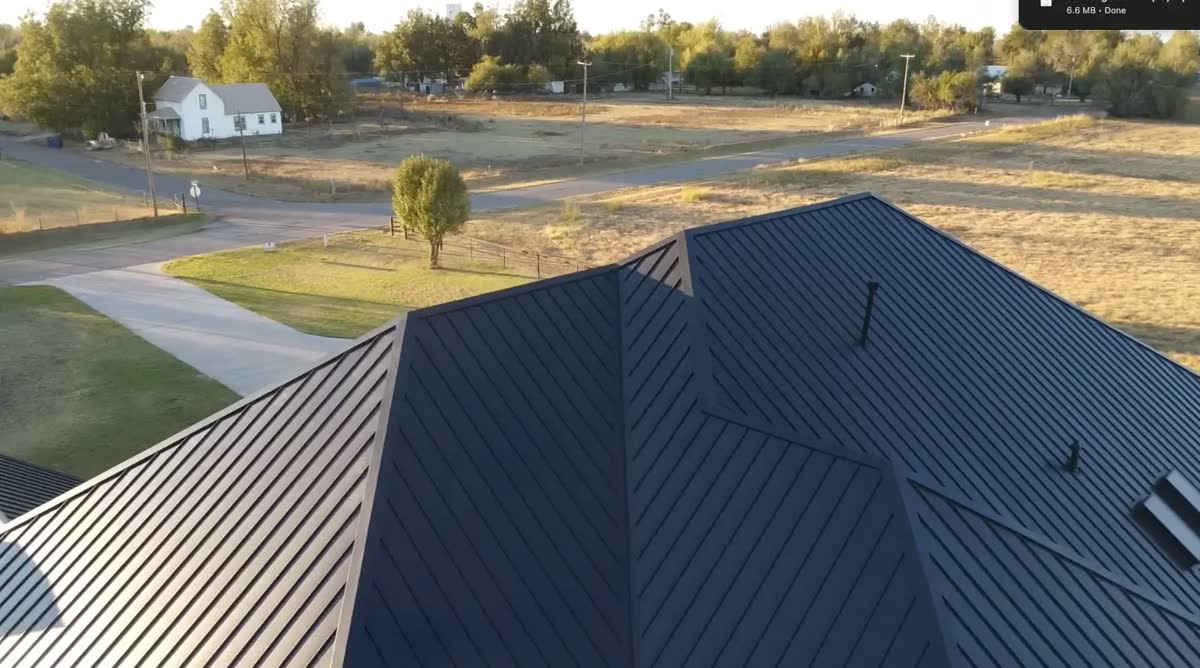
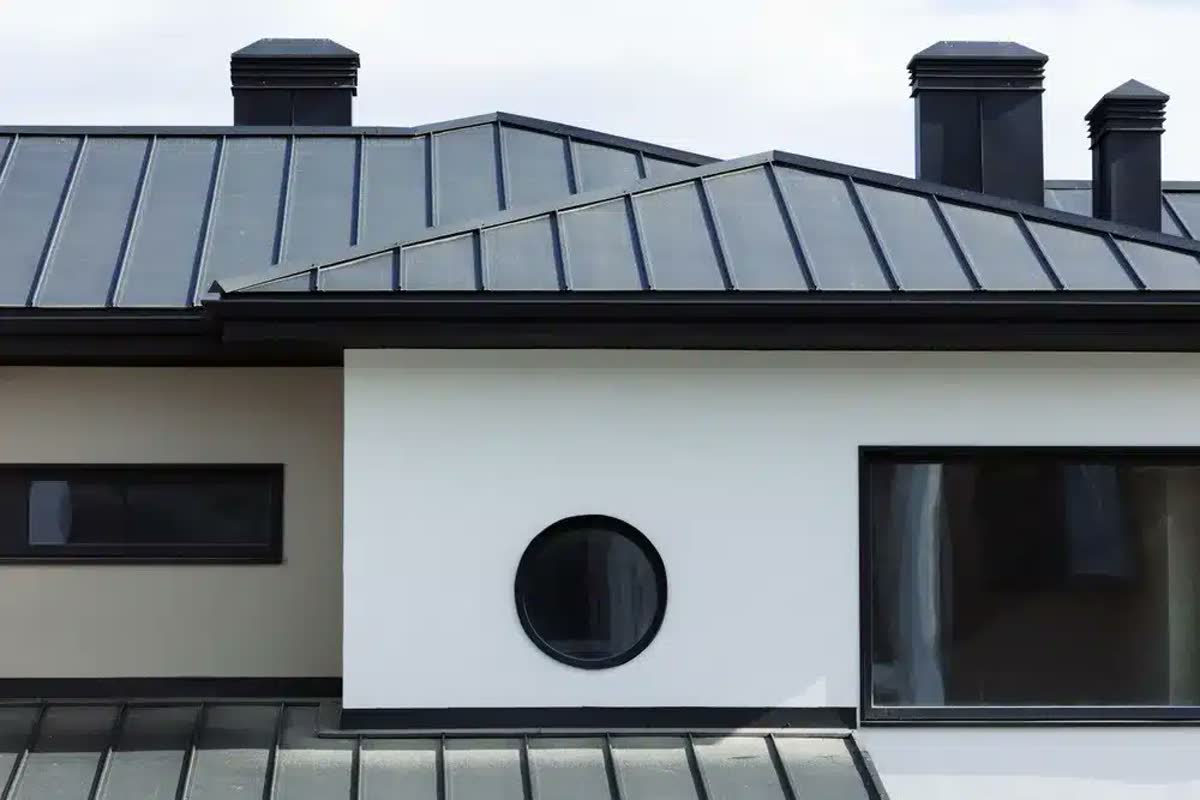
A standing seam system features vertical panels with raised seams that lock together above the fastening point. The fasteners are concealed beneath the seams, protecting them from weather exposure.
So, what is a standing seam metal roof known for?
- Clean vertical lines
- Hidden fasteners
- Superior water resistance
- Long-term durability
- Modern architectural appearance
Because fasteners are not exposed, standing seam systems typically outperform other types of metal roofing in longevity and maintenance resistance.
Exposed Fastener Systems
Exposed fastener panels are another category among the types of metal roofing. These systems use screws driven directly through the panel surface.
While more budget-friendly, exposed fastener systems may require periodic maintenance as fasteners expand and contract over time.
These systems are often seen on agricultural or commercial buildings but are sometimes used on residential properties where cost sensitivity is a factor.
Metal Shingles and Specialty Systems
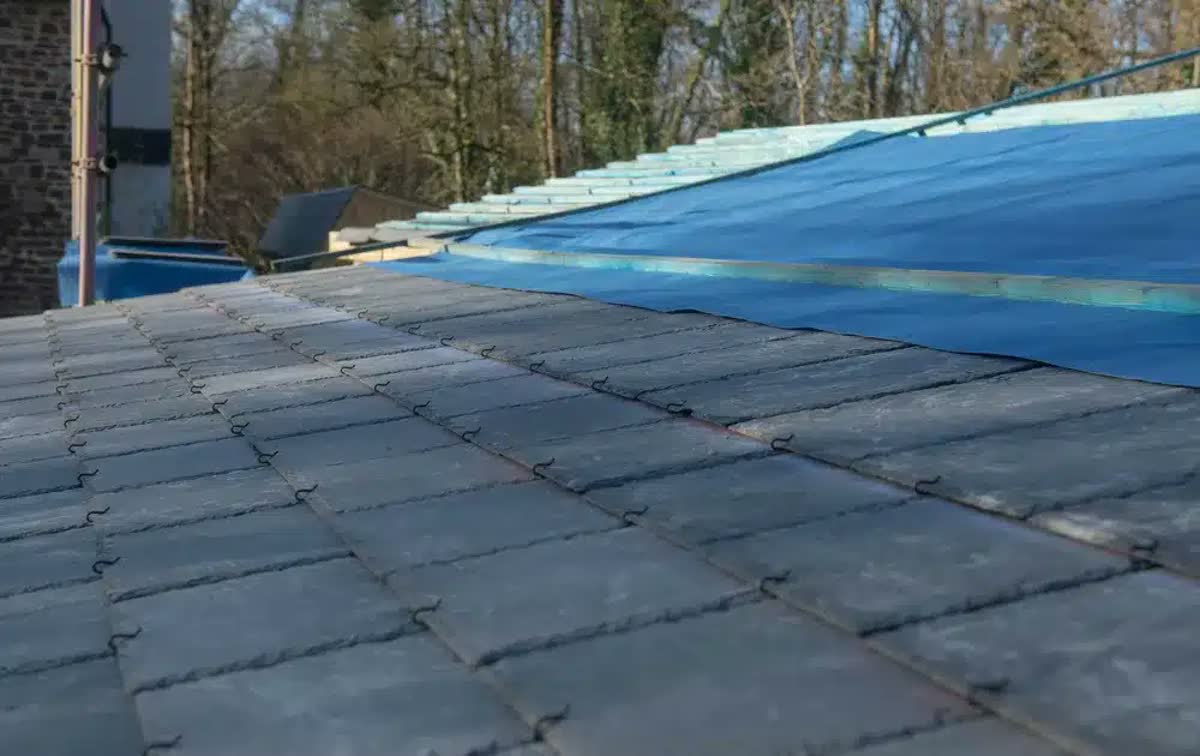
Metal shingles are designed to mimic traditional roofing materials such as slate, shake, or tile. Among the various metal roof styles, this option offers homeowners a more traditional appearance with the durability benefits of metal.
These systems often cost more than exposed fastener panels but offer enhanced aesthetics and structural performance.
Comparing Metal Roof Styles
The variety of metal roof styles available today allows homeowners to match their roof to their architectural design.
Popular styles include:
- Vertical standing seam
- Corrugated panels
- Ribbed panels
- Metal shingles
- Custom fabricated copper
Selecting between metal roof styles often depends on home design, neighborhood aesthetic, and long-term property value goals. For luxury properties, standing seam remains one of the most sought-after types of metal roofing due to its refined profile and durability.
The Parts of a Metal Roof: What Makes It Perform
Understanding the parts of a metal roof helps homeowners appreciate why professional installation matters.
The primary parts of a metal roof include:
- Panels
- Fasteners or concealed clips
- Underlayment
- Flashing
- Ridge caps
- Trim components
- Ventilation elements
Each of these parts of a metal roof must work together to ensure water shedding, expansion allowance, and structural integrity. High-quality installation ensures the seams, clips, and flashing integrate seamlessly with the decking below.
Flat Metal Roofs: Are They a Good Option?
Homeowners occasionally inquire about flat metal roofs, particularly for modern or low-slope architectural designs. While completely flat surfaces require specialized drainage solutions, flat metal roofs are often installed on low-slope residential sections, patios, or contemporary builds.
Proper underlayment and waterproofing are critical when installing flat metal roofs, as water drainage differs from steep-slope applications. In some cases, standing seam panels are adapted for low-slope conditions, combining performance with modern design.
Durability: How Long Do Metal Roofs Really Last?
One of the primary reasons homeowners explore different types of metal roofing is longevity. Standing seam systems often last 40–70 years when professionally installed. Exposed fastener systems may have a slightly shorter lifespan due to maintenance requirements.
Material choice also impacts durability. Options include:
- Galvanized steel
- Galvalume steel
- Aluminum
- Copper
When evaluating metal roof styles, durability should remain the priority alongside aesthetics.
Performance in Oklahoma Weather
Oklahoma’s climate presents unique challenges:
- Hail storms
- High winds
- Temperature swings
- Intense sun exposure
High-quality types of metal roofing perform exceptionally well in wind resistance and fire protection. Standing seam systems in particular provide superior wind uplift ratings compared to many other roofing materials. Properly installed flat metal roofs and steep-slope systems alike can offer reliable weather performance when engineered correctly.
Aesthetic Value and Architectural Impact
Luxury homeowners often prioritize curb appeal as much as structural performance. Modern metal roof styles offer clean lines and contemporary appeal. Meanwhile, specialty metal shingles replicate traditional roofing materials while providing enhanced durability.
When evaluating what is a standing seam metal roof, many homeowners are drawn to its minimalist elegance and sleek appearance. The right choice among types of metal roofing should enhance both performance and property value.
Long-Term Cost of Ownership
Although certain types of metal roofing require a higher initial investment, long-term ownership costs are often lower due to:
- Reduced maintenance
- Extended lifespan
- Energy efficiency
- Resistance to fire and wind
Understanding the parts of a metal roof also helps homeowners see how a properly installed system reduces the risk of leaks and premature failure. When comparing metal roof styles, focus on durability first, then aesthetic preference.
Choosing the Right System for Your Home
When selecting among the various types of metal roofing, consider:
- Roof slope
- Architectural design
- Budget
- Long-term ownership plans
- Climate exposure
If you are evaluating what is a standing seam metal roof versus other systems, consulting with a certified roofing expert ensures the right fit for your property. To explore premium metal roofing options, visit: https://mcrayroofing.com/materials/metal-roofing/.
Work with Oklahoma’s Trusted Metal Roofing Experts
Choosing among the different types of metal roofing is only the first step. Proper installation of the parts of a metal roof, correct detailing of seams, and expert craftsmanship determine long-term performance.
For more than 15 years, McRay Roofing & Exteriors has installed precision metal roofing systems for homeowners throughout Oklahoma. Our certifications reflect our expertise, but it’s our attention to detail and clear communication that homeowners appreciate most.
If you’re ready to compare metal roof styles, explore flat metal roof options, or determine which system best fits your home, we’d be glad to walk you through it. Connect with our team today for a free consultation and let’s build something designed to last.