In this post
The Strengthen Oklahoma Homes grant, run by the Oklahoma Insurance Department (OID), pays up to $10,000 toward upgrading an owner occupied home in Oklahoma City, Edmond or anywhere else in the state to a FORTIFIED roof. You apply in a timed application window, get approved, and only then hire an approved contractor. Start work early and you lose the grant.
Below is how the program works as OID describes it today, what a FORTIFIED roof changes compared with a normal reroof, and the mistakes that knock people out.
What the grant pays for
According to OID's Strengthen Oklahoma Homes program page, the grant covers up to $10,000 of the cost of bringing a roof to the FORTIFIED Roof, High Wind designation with the Hail Supplement, a standard set by the Insurance Institute for Business & Home Safety (IBHS). A few details matter:
- The money goes straight to the contractor. OID does not pay the homeowner.
- Any cost above the award is yours.
- The evaluator's fee is yours too, and it is not reimbursed if you later back out.
- The grant does not pay your insurance deductible, but it can be used alongside a storm claim.
That last point is the one most metro homeowners should notice. If hail has already earned you a claim, the insurance money and the grant can work together, with the grant covering the upgrade from a standard roof to a FORTIFIED one.
Who qualifies in Oklahoma City and Edmond
The rules are statewide. Per OID, the home has to be:
- A single family home that is your primary residence and that you live in.
- Covered by a homestead exemption on file with your county assessor (Oklahoma County for most of OKC and Edmond). You upload it with the application.
- Insured by a homeowners policy in force that includes wind coverage, plus flood insurance if the home sits in a FEMA Special Flood Hazard Area.
- In good repair, apart from recent tornado, windstorm or hail damage.
- Eligible for FORTIFIED under the 2025 standard, as confirmed by an evaluator and IBHS.
Condominiums, duplexes, apartments, mobile homes and manufactured homes are not eligible. New construction single family homes are.
Step by step, from application to certificate
Funding is released in rounds and handed out first come, first served. In 2026 OID opened rounds in January and July, and announced that the fourth quarter round would open October 12, 2026. The first round of the year filled every available slot, (OID announced in March that the first quarter applications had all filled), so have your paperwork ready before a window opens. Check the program page for the next date.
| Step | What happens | Who pays |
|---|---|---|
| 1. Apply | Online, during an open round, with homestead exemption and insurance declaration pages attached | No cost listed |
| 2. Evaluation | You pick an approved FORTIFIED evaluator, who confirms the home is eligible | Homeowner |
| 3. Bids | Three contractors from OID's approved list bid the job | No cost listed |
| 4. Award letter | OID issues the award. No work before this | None |
| 5. Install | The contractor builds the roof while the evaluator documents each stage | Grant, plus any overage by homeowner |
| 6. Certificate | IBHS audits the photos and issues the FORTIFIED designation | None |
| 7. Payment | OID pays the contractor once every requirement is met | Grant |
OID also advises confirming there is at least one approved FORTIFIED contractor serving your area before you pay an evaluator. OID publishes both the approved contractors and the approved evaluators.
What makes a roof FORTIFIED
A FORTIFIED roof looks like any other roof from the street. The difference is in how it is fastened and sealed underneath. From OID's list and the IBHS FORTIFIED Roof standard:
Deck nailing
The roof deck is fastened with 8d ring shank nails in an enhanced pattern. OID says this alone can double the uplift the roof can withstand, and the deck is what everything else is fastened to.
A sealed deck
The deck is sealed so that if wind strips shingles off, rain does not pour through the gaps between sheets into the attic and ceilings.
Locked down edges
Wind failures usually start at the eaves and rakes. FORTIFIED calls for a wider drip edge and a fully adhered starter strip, so the edge shingles cannot peel up.
Shingles rated for wind and hail
Shingles must carry the top wind ratings (ASTM D3161 Class F or ASTM D7158 Class H). With the Hail Supplement that Oklahoma's grant requires, they must also be rated Good or Excellent in the IBHS hail impact ratings. Our posts on how impact-resistant shingles work and whether they are worth it in Oklahoma City cover that part in more detail.
Vents and chimneys
Attic vents have to be wind and rain resistant, and chimneys must be anchored.
None of this is exotic for a good crew. What is different is the documentation. Every stage has to be photographed before it is covered, because IBHS certifies from the evidence, not from a look at the finished roof.
What happens to your insurance
OID says FORTIFIED mitigation may earn discounts on your wind premium and deductible, but it is clear that discounts are set by each carrier and not every company offers them. OID reported that homeowners in the pilot program saved an average of $750 a year on premiums. That is OID's figure across pilot participants, not a promise for any one policy. Call your agent before you apply and ask exactly what your carrier gives for a FORTIFIED Roof certificate with the Hail Supplement.
Mistakes that cost people the grant
- Signing a roofing contract first. OID's FAQ is plain: hire a contractor and begin work before acceptance and you are not eligible.
- Missing homestead exemption. If it is not on file with the assessor, sort that out before the window opens.
- Letting the wind coverage lapse. Check that your declarations page shows wind coverage. The grant requires it.
- Using a roofer who is not on the list. Even a good roof installed by an unapproved company will not qualify. Do-it-yourself work does not qualify either.
- Waiting until the window opens to gather documents. Rounds are first come, first served.
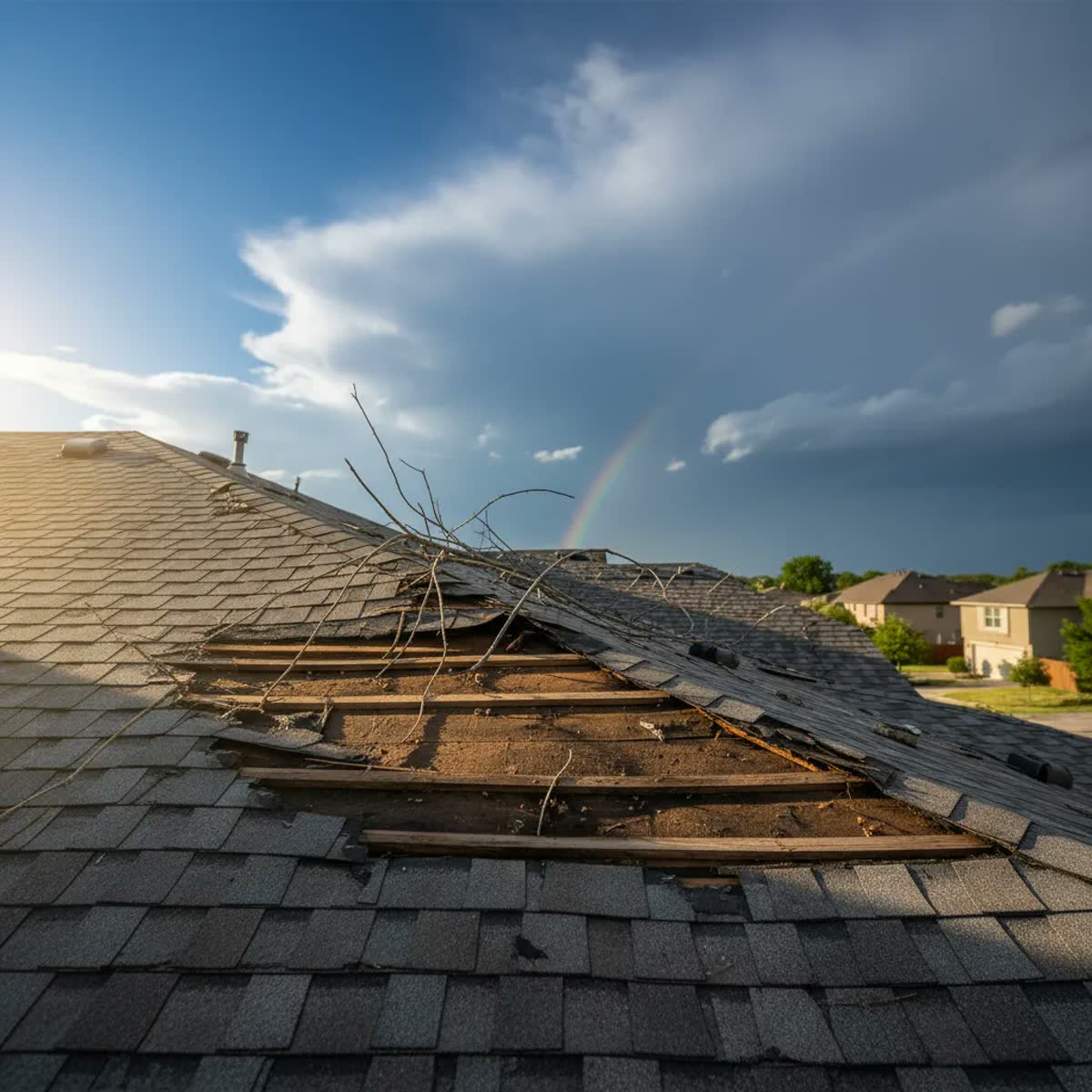
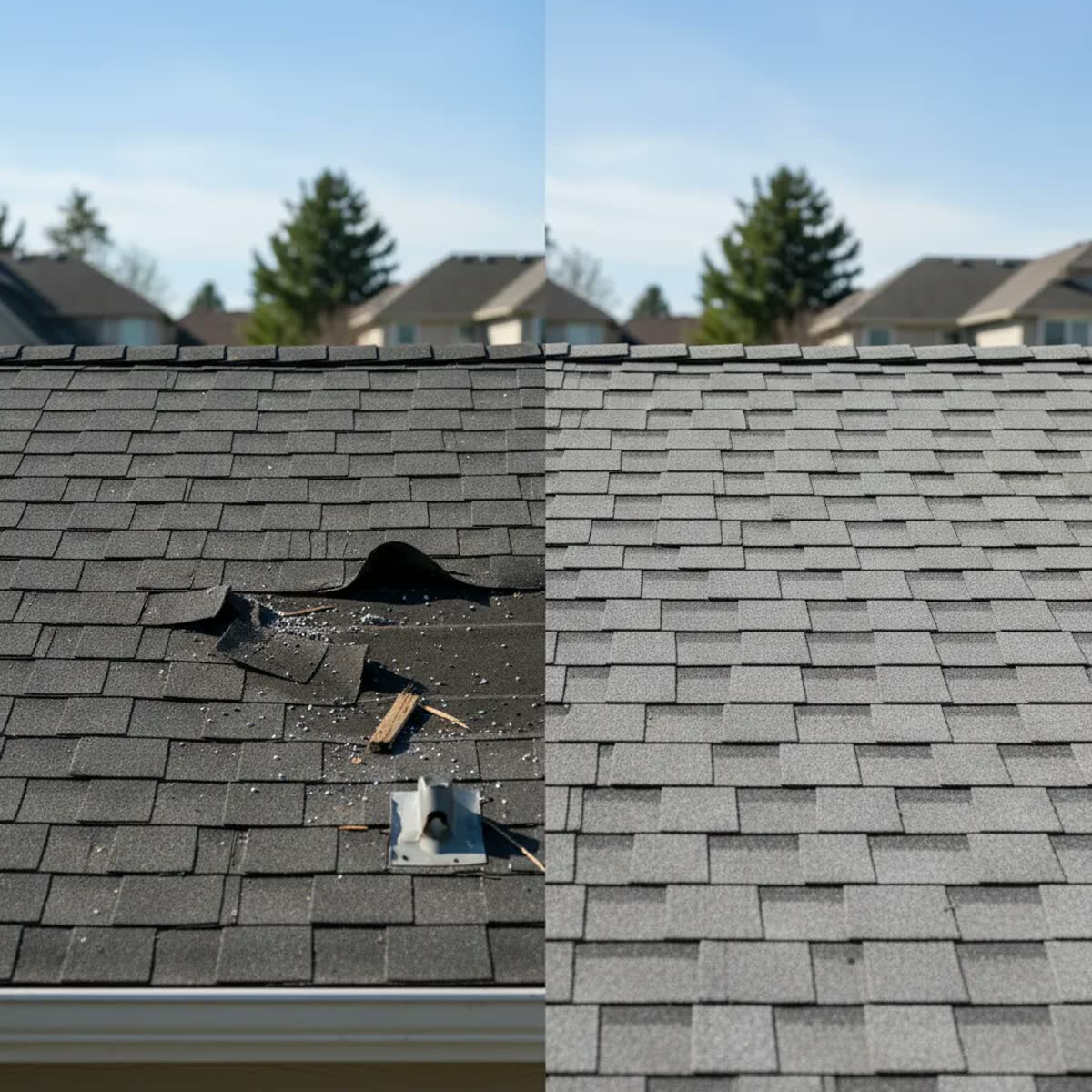
If a storm has already damaged your roof, do not put off a needed tarp or emergency repair, but talk to your adjuster and check the grant timeline before you sign a full replacement. Our storm damage restoration page explains how we handle the claim side.
Get your roof looked at first
McRay has taken on 216 roofing jobs in and around Oklahoma City and 130 in and around Edmond. A free inspection tells you whether you have storm damage worth a claim, what condition your decking is in, and what a FORTIFIED upgrade would involve on your house. Call (405) 692-4000 or send us a message to set one up.
Common questions
How much is the Strengthen Oklahoma Homes grant?
The Oklahoma Insurance Department says the grant covers up to $10,000 of the cost of upgrading a roof to the FORTIFIED Roof High Wind designation with the Hail Supplement. It is paid directly to the contractor. Anything above the award, and the evaluator's fee, is paid by the homeowner.
Who qualifies for the Strengthen Oklahoma Homes grant?
Per OID, the home must be an owner occupied, single family primary residence in Oklahoma with a homestead exemption on file, an active homeowners policy that includes wind coverage, and flood insurance if it sits in a FEMA flood zone. Condos, duplexes, apartments, mobile and manufactured homes are not eligible.
Can I start my roof before the grant is approved?
No. OID's program page says you must have the award letter before work begins, and homeowners who hire a contractor and start work before acceptance are not eligible for the grant.
Do I have to use a specific roofer for the grant?
Yes. The work must be done by a contractor certified through the IBHS FORTIFIED program and approved by the Strengthen Oklahoma Homes program. OID publishes the approved contractor list, and you collect bids from three of them.