In this post
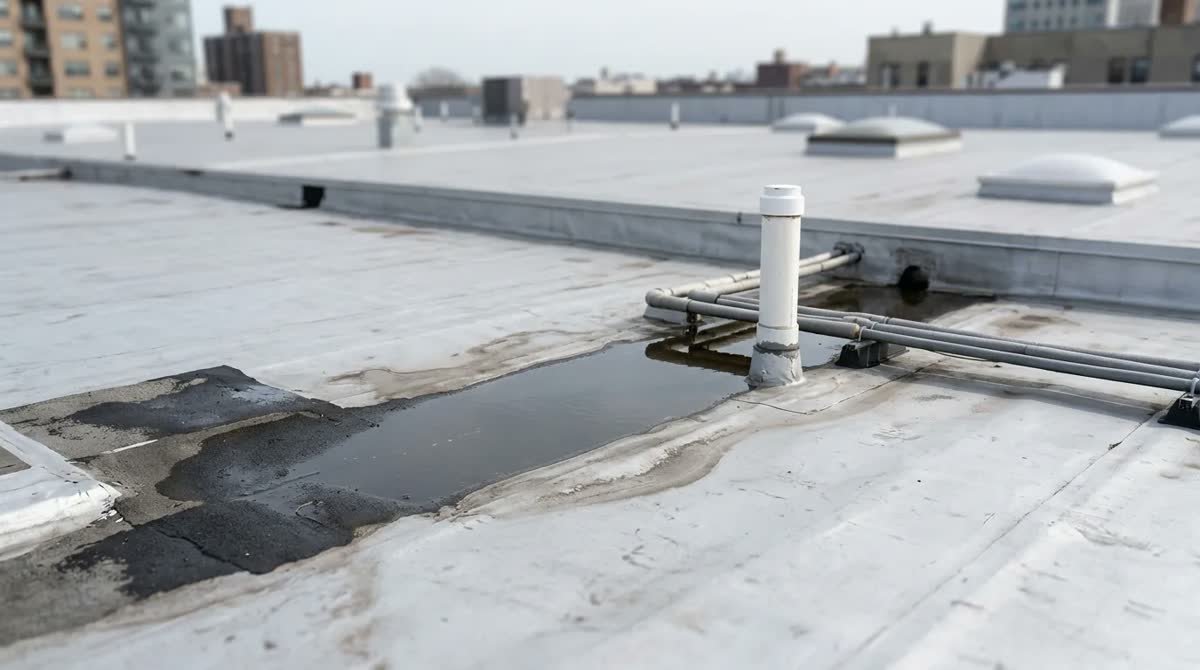
Leaks, energy loss, rising repair bills… What could be wrong? The truth is, many of these problems often trace back to the roof overhead. A flat or nearly flat roof faces standing water, UV rays, and foot traffic every day. Over time, these stresses weaken materials and shorten their service life.
Maybe the answer is to find a system that better fits your needs. In this guide, you’ll learn how different roof styles tackle those threats and which ones fit tight budgets, green goals, or long warranties. Keep reading to see side-by-side facts, clear pros and cons, and tips that make the choice easier.
Know the Core Choices
A low-pitch deck needs coverings that resist ponding water and temperature swings. Let’s look at the broad families first.
Single-Ply Membranes
- EPDM (Ethylene Propylene Diene Monomer)
- TPO (Thermoplastic Polyolefin)
- PVC (Polyvinyl Chloride)
Each uses wide sheets and heat- or adhesive-sealed seams. The result: fewer joints for water to find.
Multi-Layer Built Systems
- Built-Up Roofing (BUR)
- Modified Bitumen
These layers include felt, asphalt, and granules for a thick, redundant barrier.
Specialty Surfaces
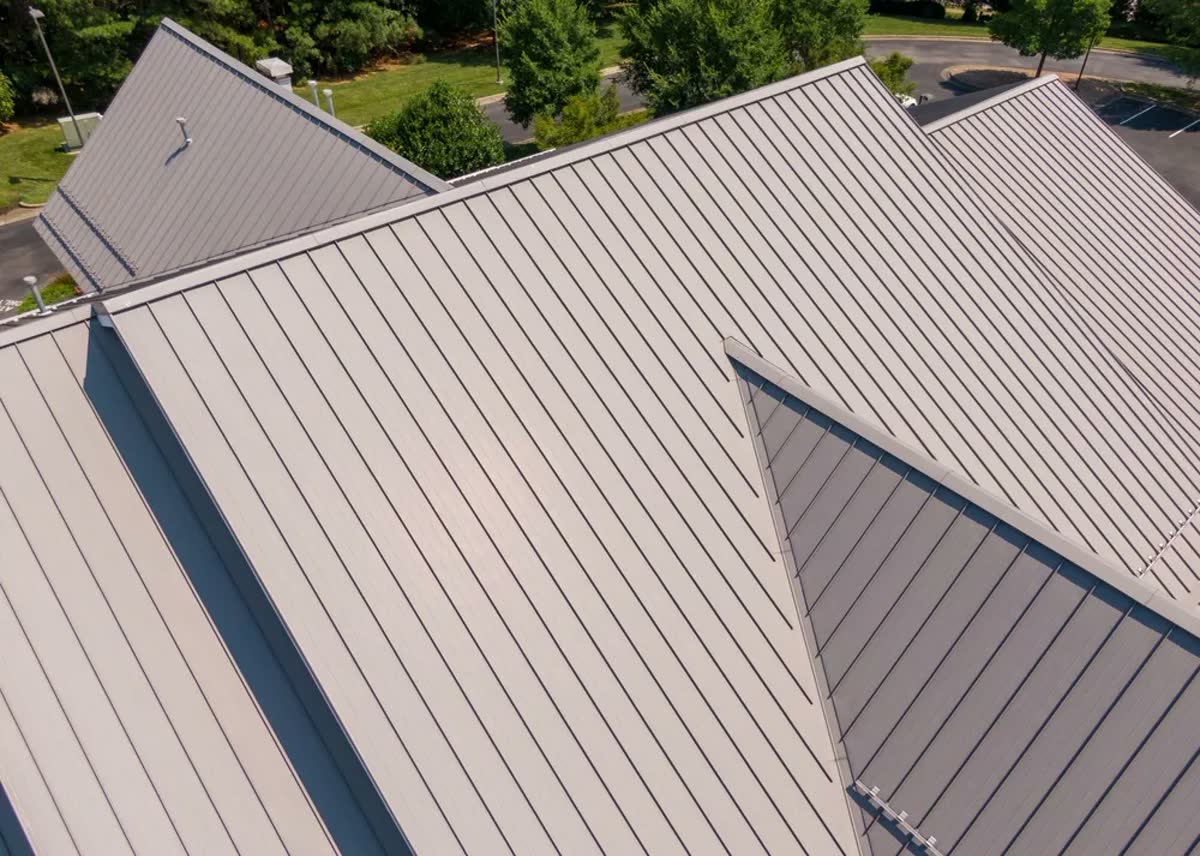
- Structural standing-seam metal
- Spray polyurethane foam (SPF) with protective coatings
These offer strength or insulation in one step.
EPDM: The Rubber Workhorse
How It’s Made
EPDM sheets come in black or white, up to 50 feet wide. Crews glue or tape seams for a tight bond.
Strengths
• Flexible in extreme cold
• Proven 30-year track record
• Easy puncture repairs
Limits
• Dark sheets absorb heat unless coated
• Seams rely on tape; poor work can fail
Best Fit
Long spans with many penetrations where sheet flexibility matters.
You’ll see low-slope roof options like EPDM on warehouses and distribution hubs because the membrane shrugs off rooftop traffic.
TPO & PVC: White Reflective Membranes
Energy Savers
Both reflect sunlight and cut cooling loads. That matters to building design commercial teams chasing energy credits.
Key Traits
| Feature | TPO | PVC |
| Chemical Resistance | Fair | Excellent |
| Heat Weld Seams | Yes | Yes |
| Price | Moderate | Higher |
PVC resists oils from restaurant vents, while TPO costs less and holds color well.
Pros
• Heat-welded seams become one piece
• Light colors meet cool-roof codes
• Easier recycling at end of life
Cons
• TPO formulas vary by maker; check track record
• PVC can shrink over decades and stress fasteners
Roofers often place these low-slope roof materials over lightweight decks where weight matters.
Built-Up Roofing vs. Modified Bitumen
Thick Protection
BUR stacks asphalt and felt in three to five layers, then tops it with gravel. Modified bitumen starts with asphalt blended with plastic or rubber modifiers and finishes with a factory-surfaced cap sheet.
Comparison
| Aspect | BUR | Modified Bitumen |
| Layers | 4-5 | 2-3 |
| Install Speed | Slow | Faster |
| Foot-Traffic Resistance | High | High |
| Weight | Heavy | Medium |
Where They Shine
• BUR handles heavy equipment and offers ballast against wind.
• Modified bitumen provides built-in cap colors and quicker installs, making it popular on commercial building roofs with tight schedules.
Metal Panels and Fluid-Applied Systems
Standing-Seam Metal
Formed steel or aluminum pans lock together and anchor to clips. The roof sheds water quickly and stands up to hail.
Pros
• 40-year life with minimal upkeep
• Solar panels clip on without many penetrations
Cons
• High upfront cost
• Needs precise layout on building design commercial projects to avoid oil-canning
Spray Polyurethane Foam with Coating
Crews spray foam onto the deck, then top it with silicone or acrylic.
Pros
• Adds R-value right on the roof
• Seamless surface stops most leaks
Cons
• UV coating needs reapplication every 10–15 years
• Skilled applicators are a must
Adding reflective coatings here expands the roster of low-slope roof materials that keep interiors cool.
Factors That Drive the Final Choice
Climate and Weather
High UV zones favor white TPO or PVC. Hail belts lean toward metal or thick modified bitumen.
Roof Traffic
Mechanical yards see constant footfall. Choose redundant layers, such as BUR or reinforced single-ply.
Budget vs. Life-Cycle Cost
EPDM may start cheaply yet need coatings to fight heat, while metal costs more but lasts decades.
Sustainability Goals
White membranes, SPF, and recyclables earn green points, giving commercial building roofs an edge toward LEED credits.
Warranty and Installer Skill
A 20-year guarantee depends on certified crews. Always match material choice with proven local labor for the best low-slope roof options.
Expert Roofers One Call Away
McRay Roofing & Exteriors blends top-tier products with seasoned crews, guiding clients through selection, installation, and upkeep. Whether you need reflective TPO, rugged modified bitumen, or classic BUR, our experts weigh climate data, deck type, and budget to recommend the right fit. We back each project with clear timelines, quality control checks, and warranties that stand the test of time.
Choose a partner that treats every roof as a long-term asset. McRay Roofing pairs innovation with hands-on craftsmanship, delivering systems that protect, save energy, and boost property value. Ready to discuss your roof and see sustainable options?