In this post
- Why Roof Size Matters
- Method 1: Measuring from the Ground (Footprint Method)
- Method 2: Measuring Directly on the Roof
- Method 3: Using Satellite Tools (Google Maps & Google Earth)
- Understanding Roofing Squares and Material Calculations
- Using a Roofing Materials Cost Estimator
- Advanced Consideration: Roof Temperature & Efficiency
- Get an Accurate Roof Measurement with McRay Roofing & Exteriors
Learning how to estimate roof size is one of the most important early steps in planning a roofing project. Whether you are budgeting, reviewing proposals, or exploring material upgrades, understanding how to estimate a roof gives you clarity before moving forward.
Homeowners frequently ask:
- How do you measure a roof properly?
- How do you estimate roofing without climbing on it?
- How to do a roof estimate before calling a contractor?
This guide walks through three primary methods to estimate roof size — ground-based math, physical roof measurement, and satellite tools — so you can determine roof size quickly and accurately, and explains how to figure out roof squares, and walks through calculating shingles for a roof with confidence.
Why Roof Size Matters
Before diving into the steps, it helps to understand why learning how to estimate roof size is important.
Roof size impacts:
- Material quantities
- Labor scope
- Project timeline
- Ventilation planning
- Insurance documentation
- Roofing materials cost estimator projections
If you are researching how to estimate a roof, remember that roof square footage also determines how to figure out roof squares, which is the industry standard measurement used by contractors. One roofing “square” equals 100 square feet of roofing surface.
Method 1: Measuring from the Ground (Footprint Method)
If you are asking, how do you measure a roof without climbing on it, this is the safest starting point.
Step 1: Measure Your Home’s Footprint
Measure the length and width of your home at ground level. Multiply length by width to get total square footage.
Example: 2,500 sq ft footprint = 50 ft × 50 ft
However, this only measures the base. Roof pitch increases total area.
Step 2: Adjust for Roof Pitch
Roof slope adds surface area. A steeper roof equals more square footage.
Common pitch multipliers:
- 4/12 pitch = 1.05 multiplier
- 6/12 pitch = 1.12 multiplier
- 8/12 pitch = 1.20 multiplier
- 12/12 pitch = 1.41 multiplier
Multiply footprint by pitch factor to estimate roof size more accurately.
2,500 sq ft × 1.12 = 2,800 sq ft total roof area
This method provides a solid estimate roof size range without accessing the roof.
If you are researching how to figure out how many square a roof is, divide total square footage by 100:
2,800 ÷ 100 = 28 roofing squares
When This Method Works Best
- Simple roof layouts
- Basic gable roofs
- Budget planning
- Early-stage roofing materials cost estimator research
However, complex rooflines require more detailed calculations.
Method 2: Measuring Directly on the Roof
If conditions are safe and you are comfortable with heights, physically measuring offers greater accuracy.
Step 1: Measure Each Roof Plane
Measure the length and width of each section separately.
Add all sections together for total square footage.
This method is helpful if you are asking:
- How do you measure a roof accurately?
- How to figure out roof squares for a complex roof?
- How to estimate a roof with multiple valleys?
Step 2: Account for Overhangs
Do not forget to include:
- Eaves
- Rakes
- Dormers
- Extensions
Missing overhangs can significantly affect your ability to estimate roof size correctly.
Step 3: Convert to Roofing Squares
Again, divide total square footage by 100.
If total area is 3,150 sq ft:
3,150 ÷ 100 = 31.5 squares
Contractors typically round up when calculating shingles for a roof to account for waste and cuts.
Waste Factor for Shingles
If you are calculating shingles for a roof, you must add waste percentage:
- 5–10% for simple roofs
- 10–15% for complex designs
This step is critical when determining how to do a roof estimate accurately.
Method 3: Using Satellite Tools (Google Maps & Google Earth)
Many homeowners now use digital tools when researching how to estimate a roof.
Roof Size Calculator Google Maps
You can use measurement tools within Google Maps or Google Earth to outline your roof perimeter.
Steps:
- Open Google Maps satellite view
- Right-click and choose “Measure distance”
- Trace the perimeter
- Calculate enclosed area
This method is commonly referred to as a roof size calculator Google Maps approach.
How to Measure a Roof with Google Earth
If you are searching for how to measure a roof with Google Earth, follow these steps:
- Open Google Earth Pro
- Use the polygon tool
- Trace each roof plane
- View area calculation
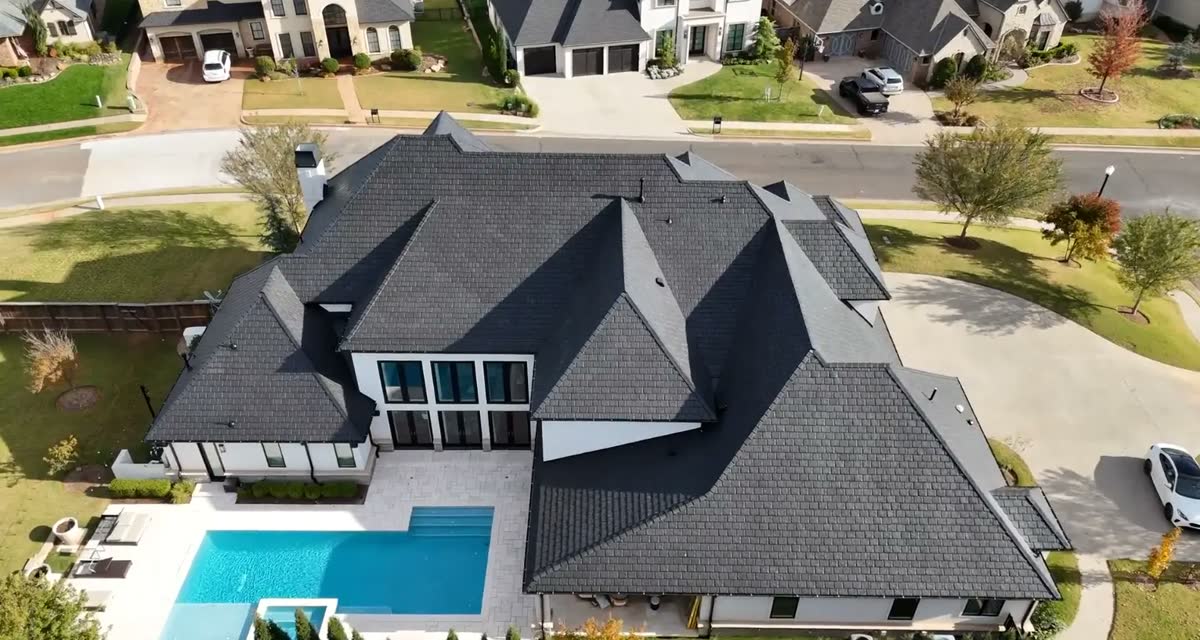
This allows you to estimate roof size without physical access.
However, satellite images do not show pitch. You must still apply slope multipliers.
Limitations of Satellite Tools
While convenient, digital tools:
- Do not account for slope
- May miss complex angles
- Cannot evaluate decking condition
- Do not assess ventilation
They are helpful for early budgeting, but not final measurement.
Understanding Roofing Squares and Material Calculations
If you are asking, how to figure out roof squares, remember:
1 square = 100 sq ft.
To calculate material needs:
- Determine total square footage
- Convert to roofing squares
- Add waste factor
- Adjust for material type
Different roof material types require different calculations.
For example:
- Asphalt shingles require bundle counts
- Metal panels require length-based ordering
- Tile systems require weight load calculations
If you are calculating shingles for a roof, manufacturers typically package three bundles per square.
Using a Roofing Materials Cost Estimator
Once you estimate roof size, you may use a roofing materials cost estimator for budgeting.
A roofing materials cost estimator considers:
- Material selection
- Roof complexity
- Underlayment
- Flashing
- Ventilation
- Ice protection
However, online tools cannot replace professional inspection when learning how to do a roof estimate accurately.
Advanced Consideration: Roof Temperature & Efficiency
You may also encounter a roof temperature calculator during research.
A roof temperature calculator does not measure square footage, but it helps evaluate heat absorption and reflectivity. This is particularly important for metal roofing systems with high Solar Reflectance Index (SRI) ratings.
Understanding surface temperature performance can influence material decisions once you estimate roof size and begin comparing options.
Get an Accurate Roof Measurement with McRay Roofing & Exteriors
Online tools and rough calculations can give you a starting point, but when you’re protecting a high-value home, precision truly matters. A professional measurement ensures your materials, budget, and installation plan are built on accurate information from the very beginning.
For more than 15 years, McRay Roofing & Exteriors has helped homeowners across Oklahoma City, Edmond, Norman, Moore, and Arcadia make confident roofing decisions. We take the time to thoroughly evaluate your roof, walk you through what we find, and provide a detailed, transparent estimate tailored to your property.
If you’re ready for a precise roof measurement and a roofing plan designed specifically for your home, connect with McRay Roofing & Exteriors today. We’d be honored to help you move forward with confidence.