In this post
Fire remains one of the biggest threats to any building, and the roof is often the first to take the hit. Many owners feel unsure about which roofing materials offer the best shield against flames, flying embers, and heat. They might hear terms like ratings, tests, and classes, but still wonder which label truly keeps their investment safe.
This post clears the smoke. You’ll learn what the top rating means, why it matters, and how to weigh cost, durability, and local codes. Keep reading to learn which products meet strict standards, how they compare to other classes, and tips for working with a skilled roofer who puts safety first.
Know the Fire Rating System
The Three Main Classes
Under ASTM E108 and UL 790, roofs earn Class A, B, or C. A top score stands for the strongest defense against severe fire exposure. Each step down allows more flame spread and ember penetration.
| Fire Class | Flame Spread | Ember Penetration | Test Time (min) |
| A | ≤6 ft | None | 30 |
| B | ≤8 ft | Limited | 15 |
| C | ≤13 ft | Some | 5 |
Why A Class A-Rated Roof Leads The Pack
A class A rated roof resists flames for the longest time, blocks burning brands, and protects decking from ignition. It fits both low-slope and steep-slope structures when paired with the proper underlayment.
Break Down the Terms
What Does A Class A Fire Rating Mean
It shows that the complete assembly—covering, deck, and underlayment—passed the toughest lab test without igniting or allowing flames to spread beyond 6 feet. It also means the roof won’t fall apart under high heat or let embers slip through.
Class A Or Class 1 Fire Rating Confusion
Codes abroad sometimes use Class 1 instead of Class A. They share similar test goals: slow flame spread and prevent deck ignition. When you spot a class A or class 1 fire rating, know they refer to the same top standard, only in different code books.
Compare Popular Materials
Asphalt options
Traditional three-tab shingles rarely meet Class A without a special fiberglass mat or an extra underlayment layer. Upgraded class 4 roof shingles carry both impact resistance and the top fire rank, giving you two lines of defense. Seek the UL label showing class 4 roof shingles plus the Class A rating to gain the best of both worlds.
Metal panels
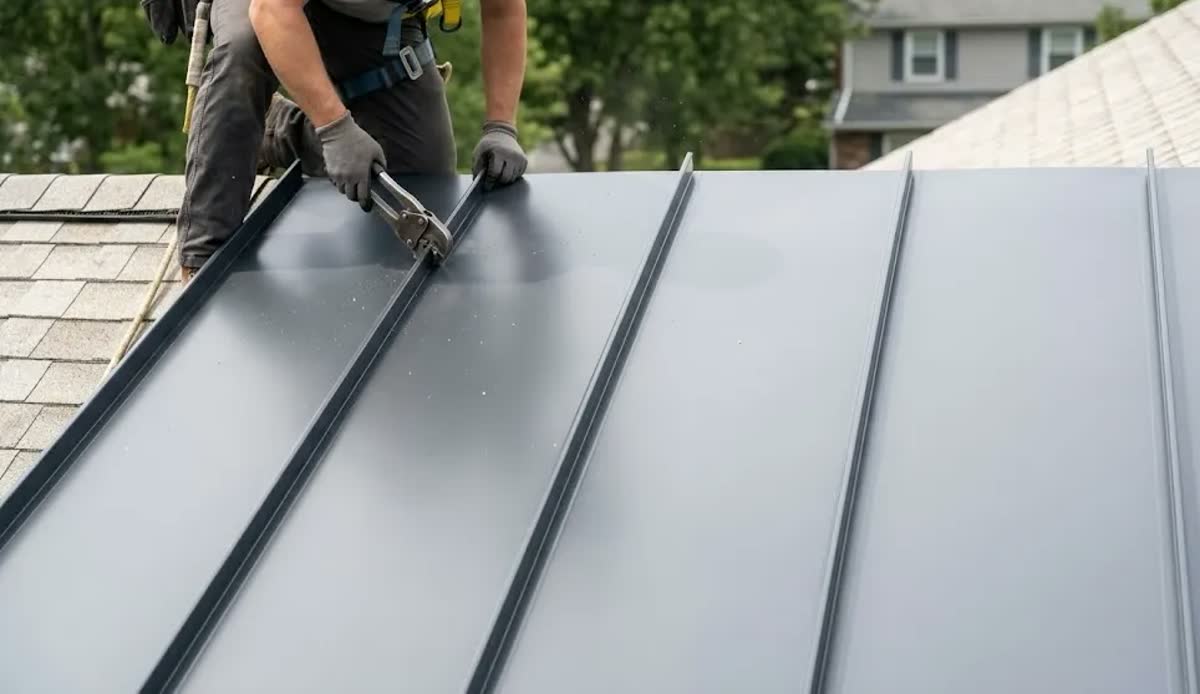
Steel, aluminum, and copper sheets naturally meet Class A when installed over non-combustible decks. They also shed sparks quickly, reducing the risk of ignition.
Tile and slate
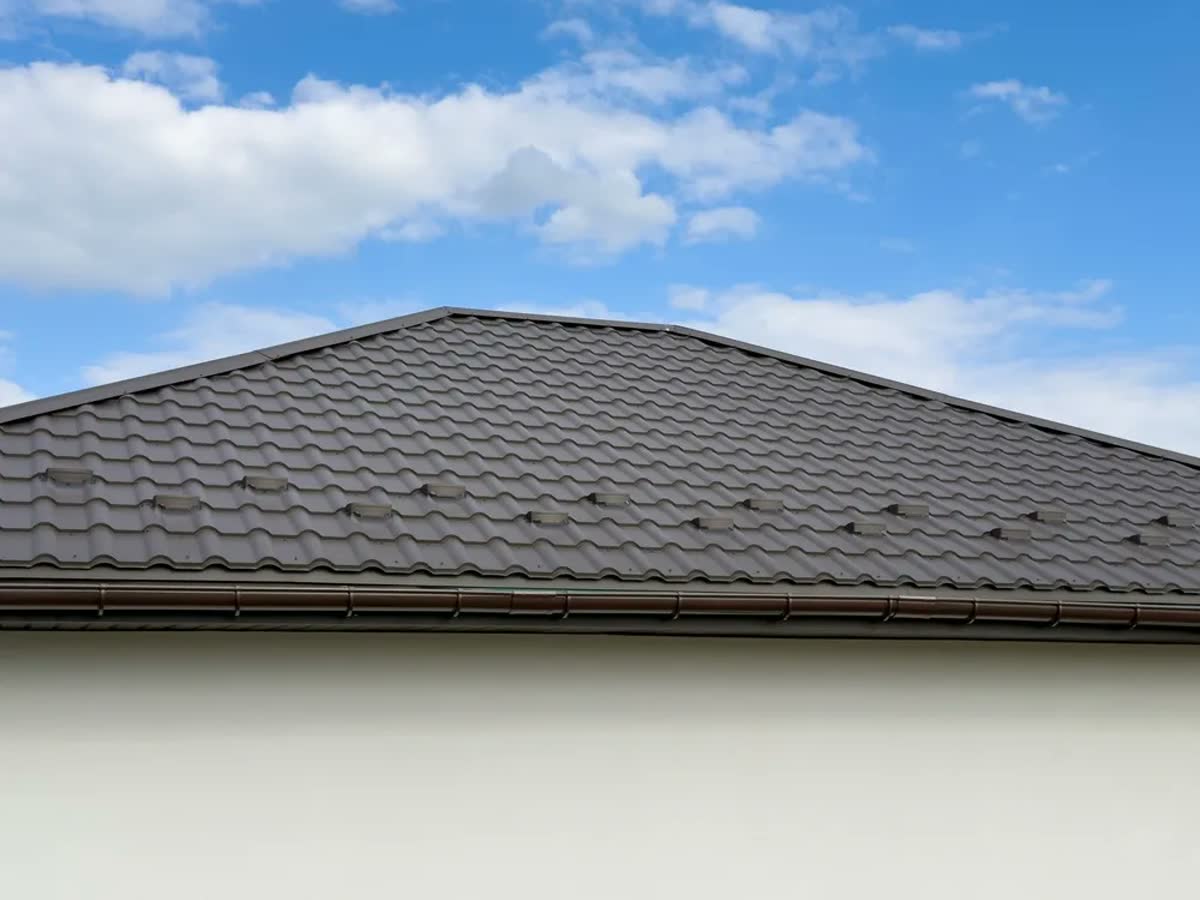
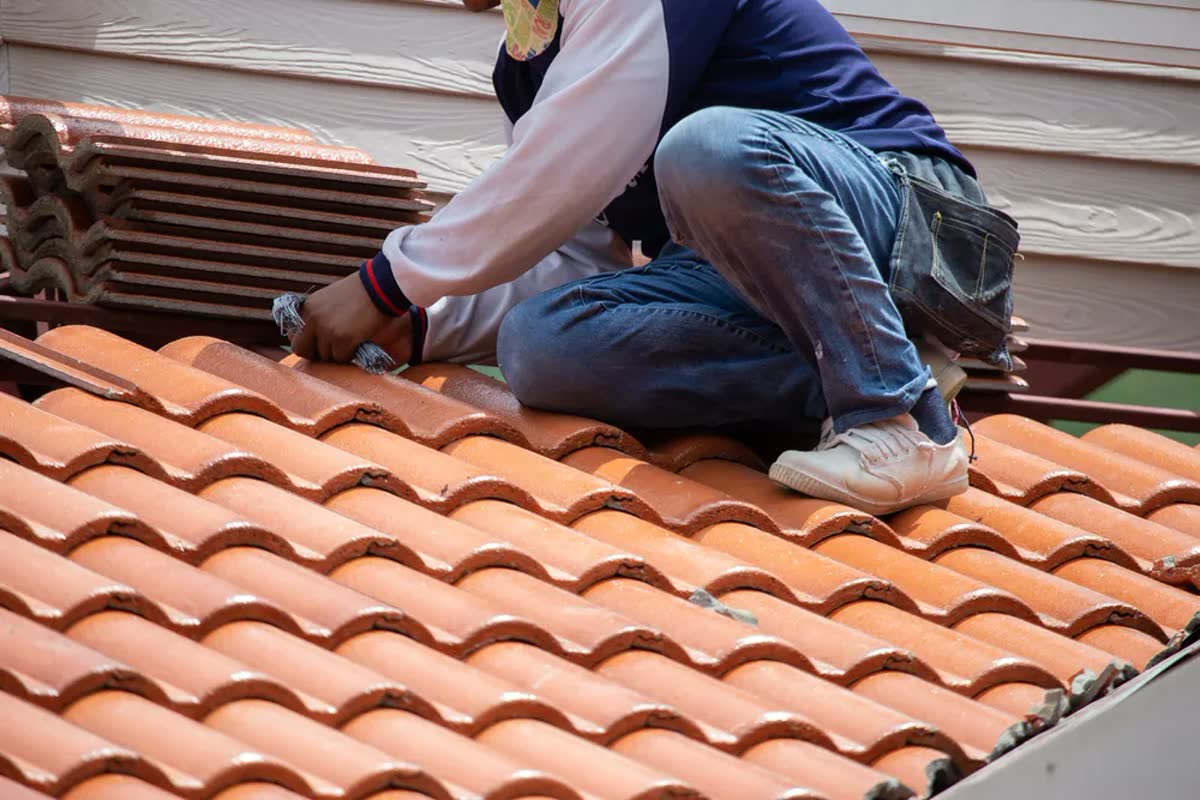
Clay, concrete, and natural slate tiles handle heat well. They often earn Class A because they don’t burn and create a heavy barrier that blocks embers.
Synthetic choices
Polymeric shakes and composite tiles can also earn Class A, but only when manufacturers add fire-retardant additives and the installer follows the tested system.
Why Lower Ratings Fall Short
Roofs with a class C fire rating only face a five-minute exposure in tests. They may seem fine in mild zones but struggle in wildfire-prone areas. A sudden shower of embers can bypass weak spots fast. Though cheap upfront, a Class C fire-rated roof can cost far more in damage, insurance, or code upgrades later.
Work With Pros for Code Compliance
Local rules matter
Some jurisdictions demand Class A in new builds, while others allow lower classes but give insurance breaks for higher ranks. Always confirm with building officials before you sign a contract.
Installation counts
Even the best material fails if installed incorrectly. A trained crew seals penetrations, flashes edges, and chooses the correct deck shield. Reputable contractors also know how to document the system for code inspectors and insurers.
Routine checks
Wind, UV rays, and foot traffic can shift tiles or tear sealants, leaving gaps for sparks to enter. Annual inspections catch small issues early and keep the rating effective.
A Safe Roof That Lasts with McRay Roofing and Exteriors
McRay Roofing & Exteriors builds and repairs roofs that meet or exceed the strictest fire standards. Our team studies every product, keeps up with code changes, and applies proven methods that seal your structure from top to deck. We pair premium materials with honest advice, helping you balance safety, style, and budget without stress.
When you partner with us, you gain clear communication, certified crews, and workmanship that stands the test of time. Learn how a top-ranked roof can protect your property and give you lasting peace of mind.