In this post
Picking a roof goes beyond colors and shingles. The wrong choice may raise energy bills, cause leaks, or shorten its lifespan. Many people feel lost when they weigh style, cost, and long-term care all at once.
This guide breaks down the leading types of residential roofs and shows how climate, budget, and curb appeal affect your final call. You’ll learn key terms, pros and cons, and smart tips to talk with a roofer. Read on to feel sure, not stuck, when you invest in the top layer of your house.
Know the Big Roof Shapes
The Classic Gable
The gable shape resembles an upside-down “V.” Water and snow run off quickly, reducing leaks. It also gives you space for an attic or vaulted ceiling. A low-pitched gable roof takes the same form but drops the slope angle. That gentler rise saves on materials yet still offers easy ventilation.
The Steady Hip
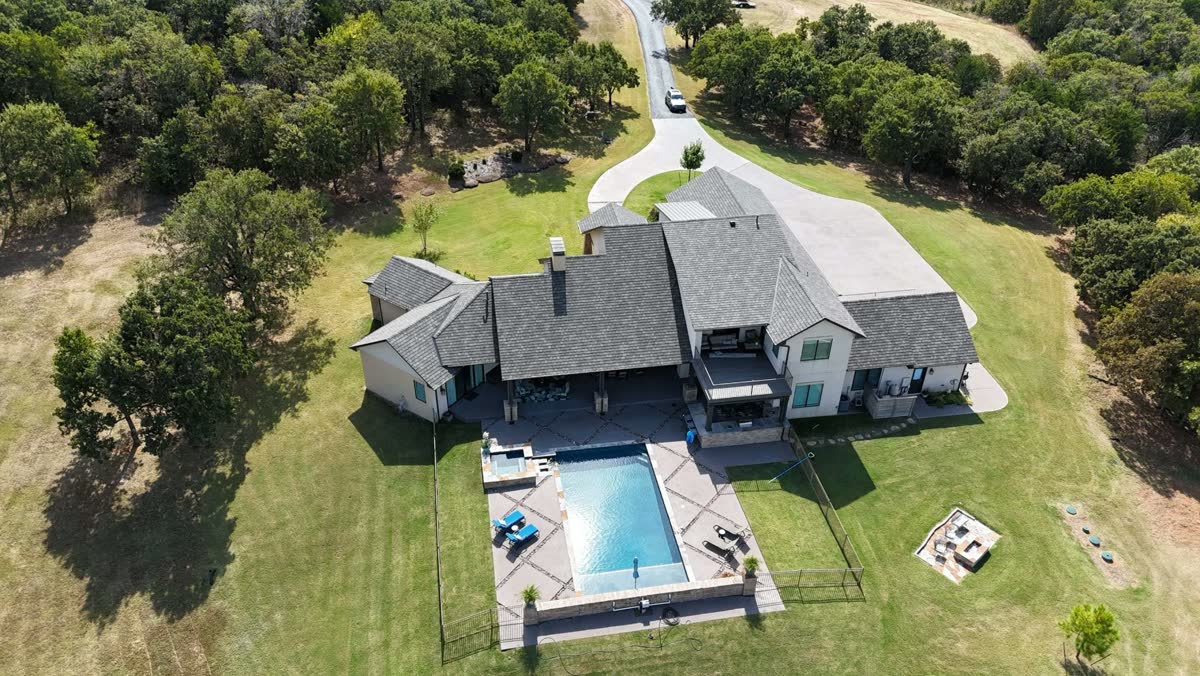
A hip roof slopes on all four sides, meeting at the top ridge. The design stands firm in high wind and gives even eave lines for wrap-around gutters. Pairing a hip with a gable boosts strength while adding bold lines. This blend is known as a hip-and-gable roof combination.
The Modern Flat and Low-Slope
Flat roofs tilt only enough for drainage. They suit urban looks and make rooftop decks simple. A low-slope option keeps the sleek profile while improving run-off. Both require membrane systems and regular maintenance to prevent pooling.
Match Roof Style to Climate
Wind and Storm Zones
Coastal and tornado-prone areas demand added bracing. A hip form sheds wind from all sides and lowers lift. A gable-hip hybrid gives you the gable view you may love while maintaining hip stability at the ends.
Heavy Snow Regions
Steeper pitches stop snow load from piling up. Skip gentle slopes if you face deep drifts each winter. Gable or A-frame shapes with high slopes clear snow and cut ice-dam risk.
Hot, Dry, or Mixed Climates
Flat and low-slope roofs let you install solar panels at the best tilt. Reflective membranes bounce heat and drop attic temps. Well-vented soffits and ridge vents help push hot air out, saving energy year-round.
Think About Curb Appeal
Complement Your Home’s Architecture
Craftsman, Colonial, and Ranch plans favor gable or low-pitched gable roof lines. Mediterranean and French countries often shine with hips. Contemporary builds love flat or butterfly shapes. Matching the roof to the walls ties the look together and can raise resale value.
Use Materials That Highlight Form
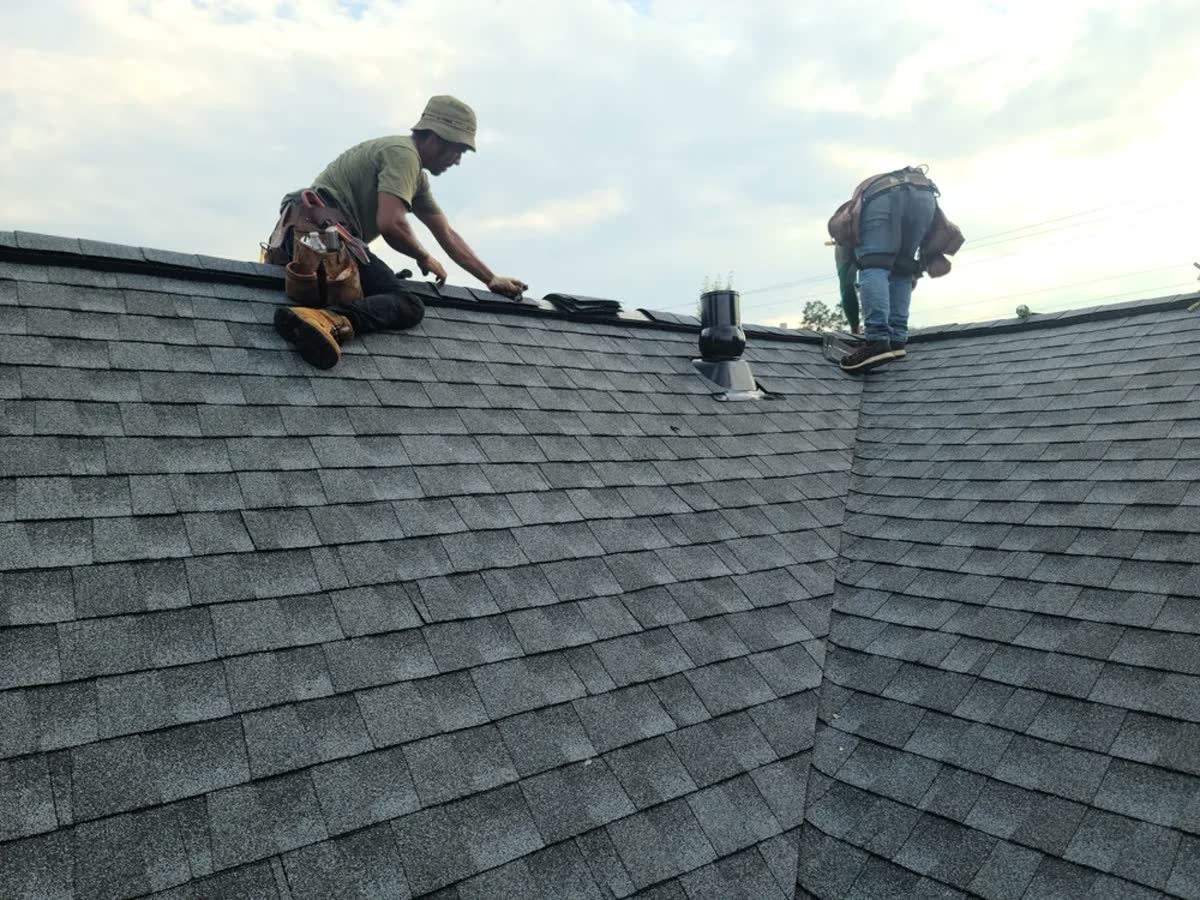
• Asphalt shingles suit most roof styles on a house and come in many shades.
• Metal panels stress clean lines on low-slope or modern gable homes.
• Clay or concrete tiles add texture to hip profiles and resist sun fade.
Bold trim, dormers, and skylights push style even further. Just keep flashing tight to avoid leaks around these extras.
Factor in Budget and Upkeep
Initial Cost
Gable roofs frame fast and use fewer rafters, often making them the cheapest option among residential roof types. Hip and flat designs require additional lumber or membrane layers, which increase labor and material costs.
Long-Term Care
- Inspect after storms, no matter the style.
- Clean gutters so Water drains off the eaves.
- Seal flashing every three to five years.
Flat roofs call for more checks to spot punctures, while a gable-hip combo requires attention at the valley where both angles meet.
Energy Savings
A reflective coating on any roofing system can cut cooling bills by double digits. Proper insulation and ventilation in the attic protect shingles from heat stress and stop ice dams in cold zones.
Get Expert Advice Before You Sign
Talking with a pro lets you weigh contract terms, warranty length, and local code rules. A seasoned crew will measure pitch, frame load, and attic airflow before they quote a job. They’ll also show sample boards so you can see grain, color, and weight in real light.
Bring notes on the roof designs you favor, plus photos of homes you like. Share your weather concerns and maintenance goals. The right roofer will steer you toward savings or storm defense based on facts, not guesswork.
McRay Roofing: Expertise One Call Away
McRay Roofing blends top-grade materials with decades of hands-on skill. Whether you need a simple shingle swap or a full build with a bold hip-and-gable roof combination, the team delivers clear plans, precise timelines, and spotless cleanup. Our crew knows wind codes, energy rebates, and the small details that keep roofs tight year after year.
Every project centers on open talk and honest pricing. When you’re ready to secure your home with expert care, reach out and feel the McRay difference.