In this post
A roof upgrade can feel like a maze. Many people struggle to pick between the classic look of wood shakes and the wide choice of asphalt shingles. Both protect your home, but they entail different costs, maintenance, and curb appeal. Don’t worry, this post clears the fog to help you make a clearer decision.
We’ll break down key features, discuss life spans, and answer questions such as how thick shingles are. You’ll also learn about premium options like triple laminate shingles and elegant slate roofing shingles. By the end, you’ll know which roof fits your needs and budget. Keep reading to make a confident choice.
What Sets Shingles Apart From Shakes?
Material Basics
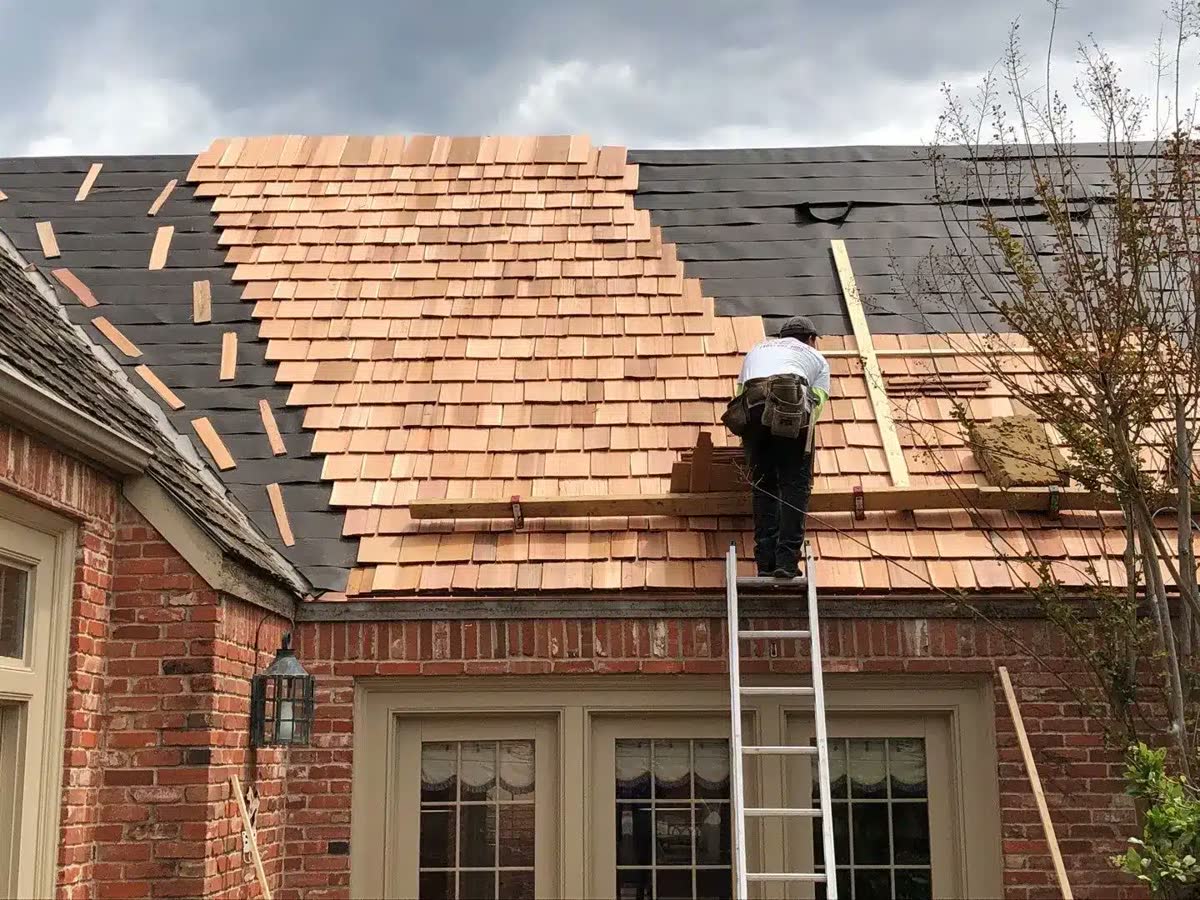
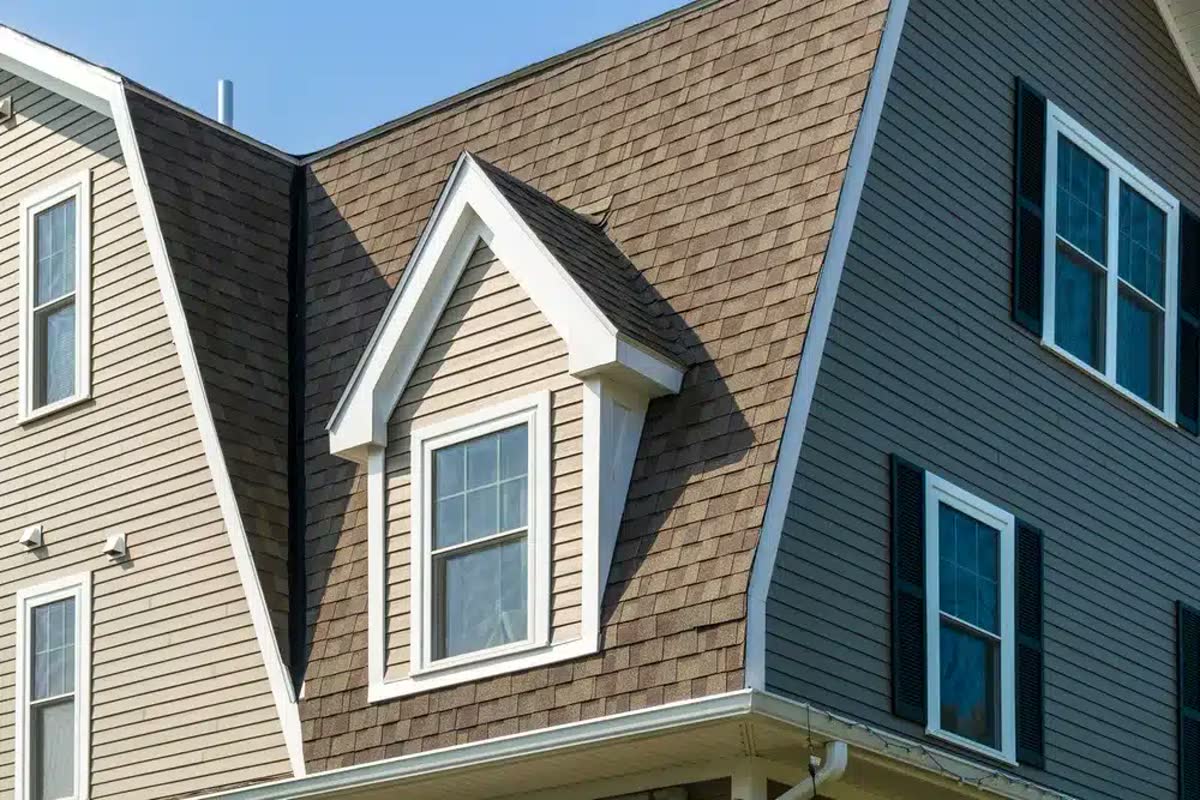
Asphalt shingles use a fiberglass or organic mat coated with asphalt and mineral granules. Wood shakes come from split cedar, redwood, or pine logs. Both shed water well, but their build methods give them unique traits.
Profile and Thickness
Many people ask, how thick are shingles? Standard three-tab shingles measure about 3/16 inch thick, while architectural styles can reach 1/4 inch or more. In contrast, wood shakes start at 1/2 inch, and premium hand-split pieces can hit 3/4 inch. The added bulk of shakes delivers bold texture but weighs more on the roof deck.
Wind and Fire Ratings
Modern asphalt products, including high-end multi-layer options, carry Class A fire ratings and resist winds up to 130 mph. Untreated wood shakes hold lower fire ratings; you need special coatings to match Class A. If you live in a high-wind or wildfire area, shingles may offer peace of mind and lower insurance rates.
Comparing Durability and Lifespan
Service Life Snapshot
• Three-tab shingles: 15–20 years
• Architectural shingles: 25–30 years
• Triple laminate shingles: 30–40 years
• Wood shakes: 20–35 years with proper care
Factors That Shorten Life
- UV exposure breaks down asphalt binders.
- Moss and algae hold moisture against wood shakes.
- Poor attic ventilation cooks both materials from beneath.
Regular roof inspections catch small problems before they become big ones.
Extreme Climate Performance
In freeze-thaw zones, flexible asphalt resists cracking. Wood shakes, though thicker, can warp if snow sits too long. Hot, dry climates benefit wood’s natural breathability, yet intense sun bleaches color fast. Match the product to your region for the longest return.
Cost Breakdown and Long-Term Value
Up-Front Costs
• Three-tab shingles: $90–$120 per square (100 ft²)
• Architectural shingles: $120–$160 per square
• Premium architectural shingles: $160–$220 per square
• Wood shakes: $250–$400 per square
Installation Labor
Shingles go down fast in tidy rows, so labor stays low. Shakes demand careful layering and random spacing for a natural look, which raises work hours and cost.
Ongoing Expenses
Wood needs cleaning, oil-based treatments, and moss control. Asphalt only needs periodic inspections and minor repairs. Total cost of ownership often favors shingles over 30 years.
Style and Curb Appeal
Texture and Shadow Lines
Architectural and multi-layer designer shingles use varied tab shapes to cast deep shadows. Wood shakes offer true depth thanks to their rough-split edges. Choose shingles for a uniform look or shakes for rustic charm.
Color Choices
Asphalt wins the color competition, from cool grays to bold reds. Some brands mimic stone, giving the grace of slate roofing shingles without the heavy load. Wood starts with warm amber hues that age to silver gray—timeless yet limited.
Neighborhood and HOA Rules
Many communities approve of both. Still, some historic districts favor shakes, while fire-prone zones may restrict them. Check local codes before you sign a contract.
Climate and Maintenance Considerations
Moisture Management
Wood breathes; it expands and contracts with humidity. That movement needs thicker underlayment and precise spacing. Asphalt stays dimensionally stable, making it simpler to flash around chimneys and skylights.
Cleaning and Repairs
• Asphalt: Sweep off leaves, check granule loss, replace cracked tabs.
• Wood: Power-wash gently, apply mildew cleaner, insert cedar plugs where splits form.
Both roofs benefit from yearly inspections, yet wood demands more hands-on care.
Energy Efficiency
Light-colored shingles with reflective granules cut cooling bills. Wood shakes insulate well due to air pockets in the grain. Pair either roof with ridge vents for top performance.
McRay Roofing: Quality Roofing You Can Count On
McRay Roofing brings deep know-how to every project, from budget-friendly asphalt to artisan wood shakes. Our team guides you through the shingles vs shakes decision with clear facts, precise installs, and honest pricing. We stock elite lines, such as multi-layer designer profiles, and faithfully reproduce high-end slate looks for luxury builds.
Clients trust us because we listen first, recommend second, and stand behind our craft long after the truck pulls away. Ready to explore your next roof? Speak with a roofing expert today!