In this post
Proper airflow above the ceiling yet below the shingles often gets ignored. Heat builds up, moisture lingers, and costly repairs soon follow. Curling shingles, high energy bills, and mold growth are just some of the headaches caused by a stuffy attic.
In this post, you’ll learn why smart airflow matters, which parts work together, and when a roof ventilation fan saves the day. You’ll see clear tips on placement, sizing, and upkeep so your roof stays healthy for many more seasons. Keep reading to protect your investment and cut future repair costs.
Why Attic Ventilation Matters
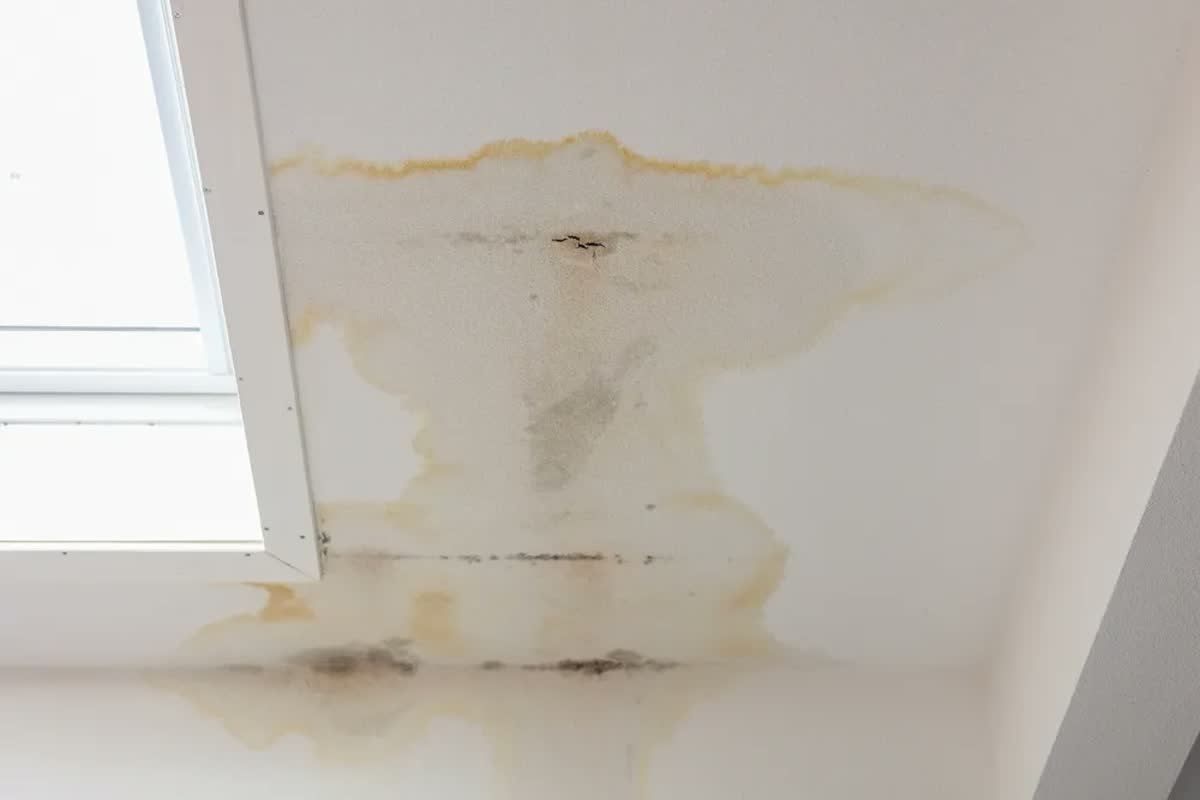
Warm air rises. When it can’t escape, attic temperatures can soar past 150 °F on a sunny afternoon. That heat bakes the underside of shingles, shortens their life, and drives cooling costs sky-high. In winter, trapped moisture can drip onto insulation, fostering mold or rot.
Balanced airflow prevents both extremes. Fresh air enters through soffit vents and exits near the ridge. The steady exchange keeps temperature and humidity in check, letting insulation perform as rated. A balanced system can even reduce ice dams because the roof deck stays cooler after snowfall.
Key Parts of a Balanced System
Intake: Fresh Air at the Eaves
Low-level openings do the heavy lifting. Continuous vents for the soffit spread fresh air along the entire eave line. Slots stay hidden under the overhang, so they add no bulk to the roof profile. Keep the insulation pulled back so air can travel up the rafters without being blocked.
Exhaust: Let Hot Air Out
At the top, ridge vents offer the broadest escape path. Box vents or turbines work too, yet modern homes often blend styles. When passive airflow alone isn’t enough, a roof ventilation fan can boost exhaust on still days. Powered units kick on at set temperatures or humidity levels, clearing stale air in minutes.
Choosing the Right Equipment
Every attic has unique needs. Square footage, roof pitch, and regional climate guide the choice. Start by noting the total area of the attic floor. From there, match products with equal intake and exhaust capacities.
If you lean toward powered help, look for fans with adjustable thermostats and low decibel ratings. Solar models meet energy-saving goals while running free of household power. No matter which unit you pick, plan the wiring, location, and weatherproof seals before proceeding with the roof exhaust vent installation.
Sizing and Calculations Made Easy
Oversized, and you waste energy; undersized, and you gain nothing. That’s why builders stress the importance of calculating attic ventilation. The simple rule uses a 1:150 ratio—one square foot of net free vent area per 150 square feet of attic floor. In very dry zones with vapor barriers, the ratio can relax to 1:300.
Fan buyers also ask, “What’s the best way to learn how to size an attic fan?” Start with attic volume, then check the fan’s cubic feet per minute (CFM) rating. Divide the volume by four to find the minimum CFM for a complete air change every fifteen minutes.
Quick Reference Table
| Attic Floor Area (sq ft) | Net Free Vent Area Needed (sq in) | Suggested Fan CFM |
| 800 | 768 | 1,600 |
| 1,200 | 1,152 | 2,400 |
| 1,600 | 1,536 | 3,200 |
With the numbers in hand, double-check both intake and exhaust totals. That cross-check is the heart of calculating attic ventilation. Balanced airflow means quieter fans, lower bills, and a deck that stays dry year-round.
Professional Installation and Maintenance
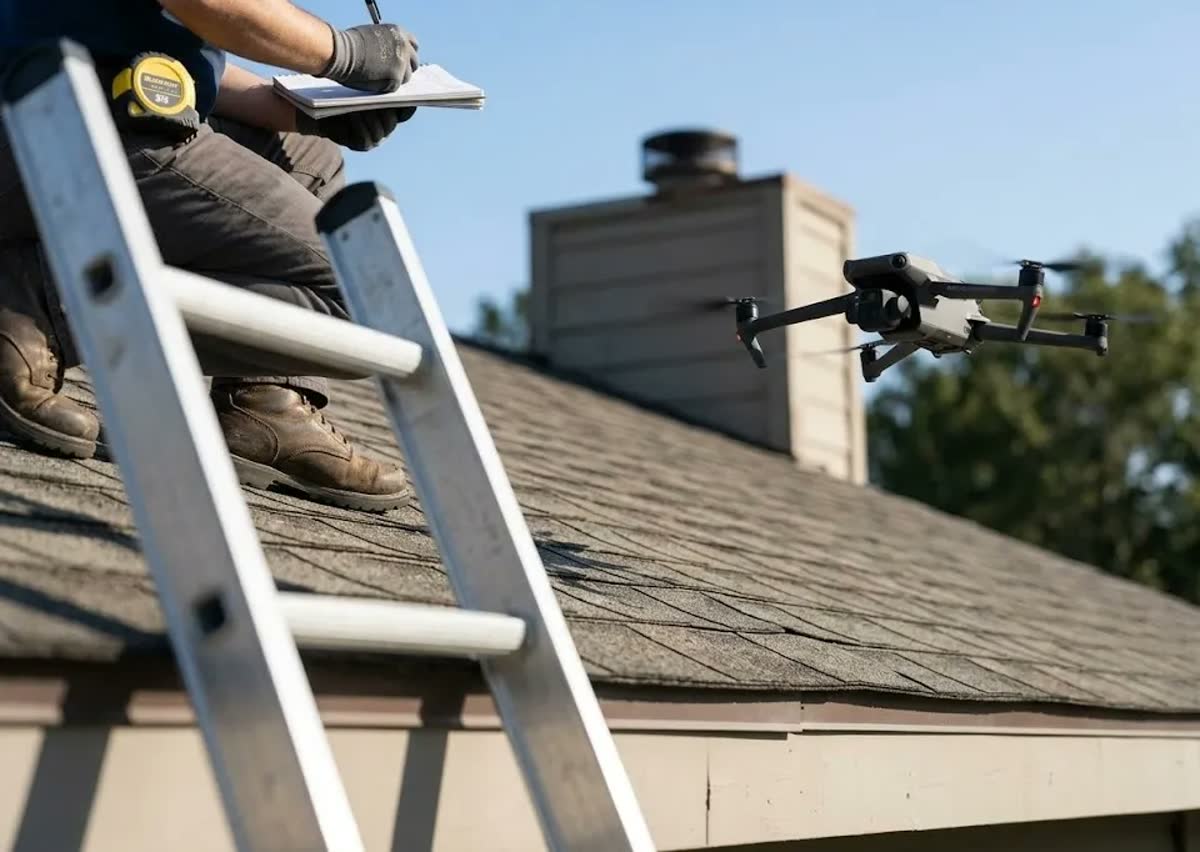
Correct placement matters as much as correct math. Trained crews understand code, flashing details, and sealants that stand up to hail or high winds. They’ll also balance intake to match any new fan, preventing negative pressure that could pull conditioned air from the living space.
During roof exhaust vent installation, pros check wiring, shingle condition, and the attic insulation line. Afterward, a short inspection every year keeps screens clear and thermostats calibrated. Small actions today spare big headaches tomorrow.
Keep Your Roof Strong for Decades
Ventilation might look simple, yet each attic carries its own challenges. Size, climate, and roof design must work together. Add a well-chosen powered attic fan, balance intake through soffits, and your shingles will last far longer than roofs that “can’t breathe.”
If you need expert help, McRay Roofing & Exteriors stands ready. Our team inspects, calculates, and installs tailored systems that protect your home from heat and moisture. We stay on site until airflow numbers hit the mark and every seam passes our final walkthrough. Let us craft a solution that cuts energy use, extends shingle life, and boosts indoor comfort.