In this post
A roof does more than keep rain out; it guards your comfort and the structure beneath. Many people, though, only look up when a leak shows. This post breaks down the critical parts you rarely see yet rely on every day.
You’ll learn about framing styles, valleys, flashing, and why good airflow matters. By the end, you can spot issues early and speak with any roofer clearly. Keep reading to boost your roof smarts and protect your biggest investment.
The Backbone: Framing Fundamentals
Rafters, Trusses, and Beyond
Every roof starts with a skeleton that carries weight and keeps shape. Builders choose from several types of roof framing based on budget, span, and design goals.
- Rafter framing: individual sloped boards meet at the ridge.
- Truss framing: factory-built triangles arrive ready to be lifted into place.
- Stick framing hybrids: a mix that suits custom plans.
These types of roof framing determine how loads are transferred to the walls and how much open space is below. A solid frame sets the stage for every layer above.
Sheathing Holds It Together
Plywood or OSB sheets are nailed to rafters or trusses. This deck provides a flat base for shingles, tiles, or metal roofing. A tight deck keeps wind from peeling layers away and adds shear strength during storms.
Meet the Main Players of a Roof System
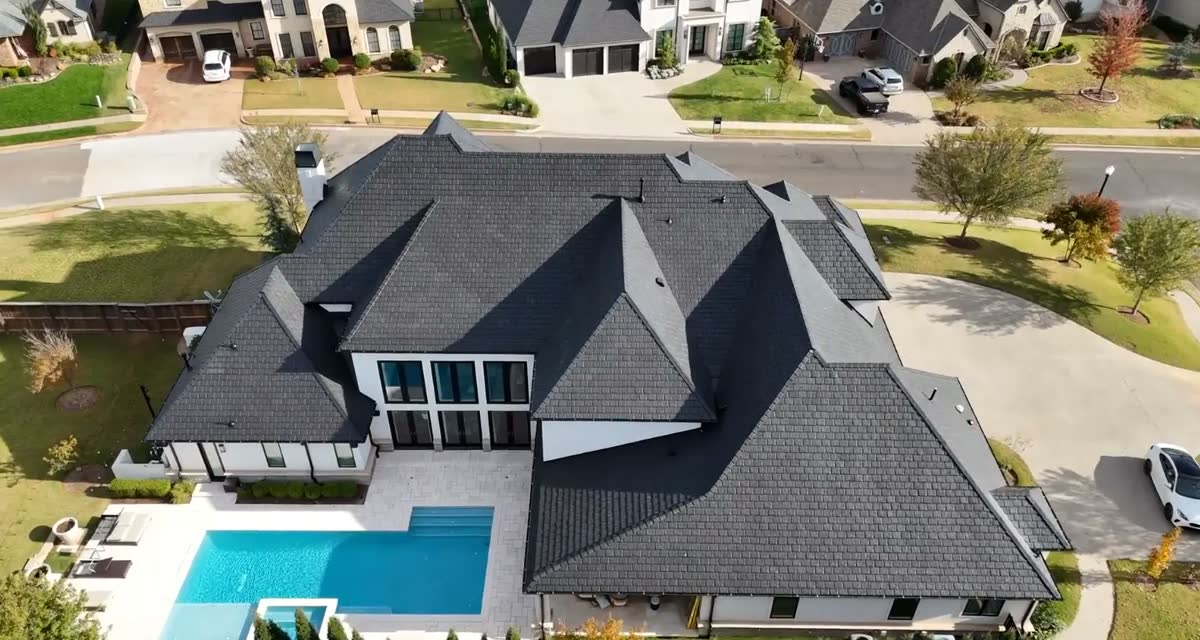
The frame may be hidden, yet several visible layers complete the job. Knowing each one helps you grasp the full set of parts of a roof structure.
- Underlayment: It backups your water shield
- Starter Strip: Seals eaves against wind
- Field Shingles/Panel: The primary weather block
- Ridge Cap: It covers top joint
- Drip Edge: Guides the water off deck
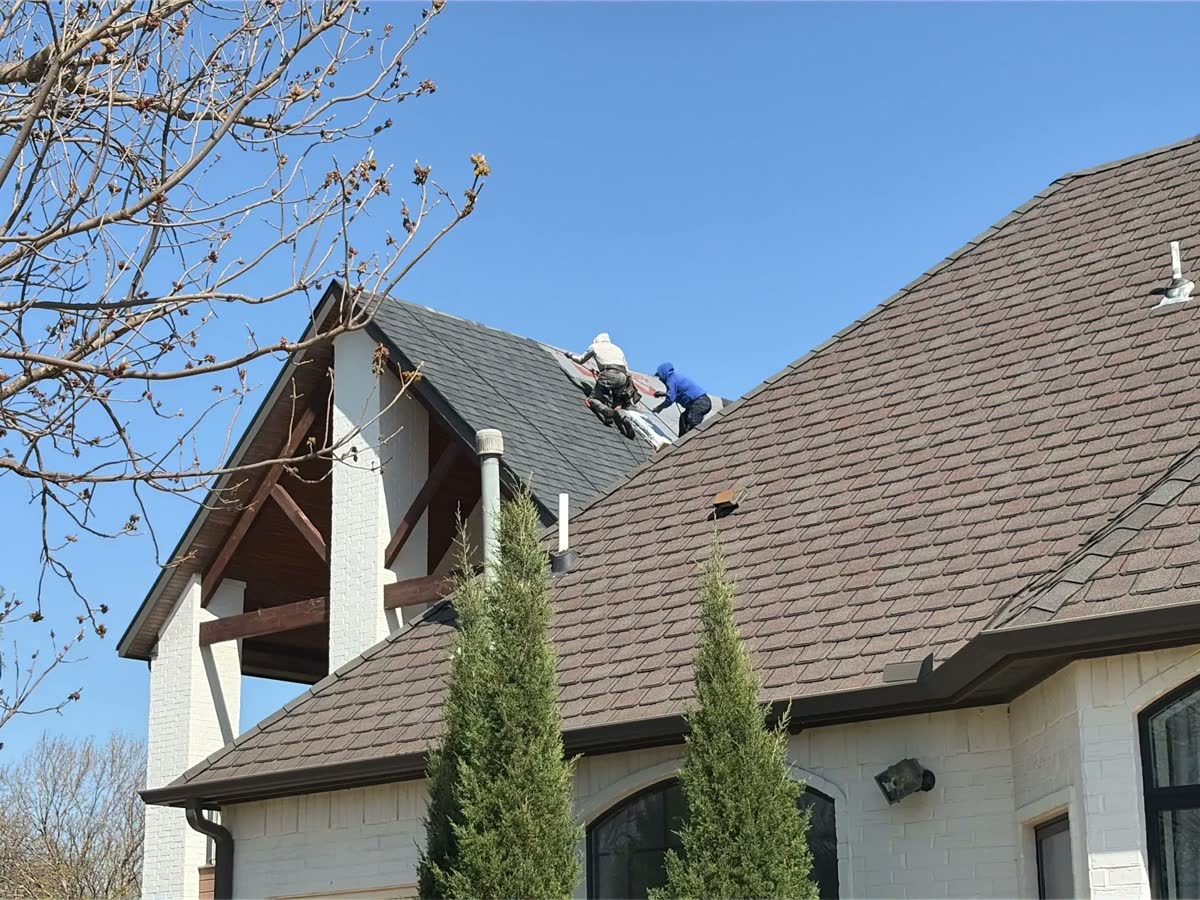
When any part of a roof structure fails, moisture seeps in, leading to rot or mold. Quick repairs save bigger bills later.
Mastering Valleys and Flashing
Why Valleys Deserve Extra Care
A valley on a roof is where two slopes meet, and water rushes fastest. Because traffic is high here—snow, leaves, gallons of rain—materials age sooner. Inspect the metal or shingles along a roof valley twice a year for cracks or gaps.
Choosing the Right Flashing Style
Open, closed, and woven designs exist, yet many pros favor open valley flashing. It leaves metal exposed, so water travels on a smooth path rather than across shingles. Strong, rust-resistant open valley flashing handles debris better and is simpler to clean.
Ventilation: The Breath of a Healthy Roof
Ridge and Soffit Vents
Hot air rises; cool air enters from the bottom and pushes the heat out the top. Continuous soffit and ridge vents make that cycle steady.
Special Case: Cathedral Spaces
Tall interiors pose airflow challenges. Proper vaulted ceiling ventilation stops heat buildup that can bake shingles from beneath. Install baffles between rafters to maintain a clear channel from the eaves to the ridge. Without good vaulted ceiling ventilation, energy bills soar, and ice dams form in cold climates.
Care Tips and When to Call the Pros
- Scan gutters and downspouts every season. Clogged paths force water back under shingles.
- Check flashing around chimneys and skylights after severe weather.
- Look in the attic for damp spots or daylight peeking through boards.
- Schedule a pro inspection every other year; annually if storms are common.
If you spot sagging decks, missing shingles, or daylight in the attic, reach out to McRay Roofing. Timely action prevents structural damage and keeps your warranty valid.
Expertise You Can Count
McRay Roofing blends deep expertise with neighbor-like care to keep your roof strong year after year. Our skilled team assesses framing, valleys, ventilation, and every layer between. We craft solutions that fit your needs, budget, and style while using premium materials and proven methods.
From repairs to full replacements, we stand behind our work long after the crew leaves your driveway. Discover how our commitment to clear communication and craftsmanship sets us apart.