In this post
- Understanding the Main Roofing Tile Types
- Clay Tile Roofing: Timeless and Durable
- Concrete Tile Roofing: Strength and Versatility
- Slate Roofing: Natural Beauty with Exceptional Longevity
- Metal Tile Roofing: Modern Performance with Classic Appeal
- How Do Asphalt Shingles Compare?
- Choosing the Right Material for Your Home
- Work with a Roofing Partner Who Understands Premium Materials
Choosing the right roof is one of the most important design and investment decisions a homeowner can make. With so many roofing tiles types available today, understanding the differences between clay, concrete, slate, and metal systems is essential before committing to a material.
Each option offers distinct advantages in durability, aesthetics, and long-term value. Some provide timeless architectural appeal, while others deliver modern efficiency or lightweight versatility. This guide compares the most popular roofing tile materials so you can confidently select the system that aligns with your home’s style and performance goals.
Understanding the Main Roofing Tile Types
When homeowners begin comparing roofing tiles types, they are typically evaluating four primary categories:
- Clay tile
- Concrete tile
- Natural slate
- Metal tile systems
Each has unique structural requirements, lifespan expectations, and visual impact.
Clay Tile Roofing: Timeless and Durable
Clay tile is one of the oldest roofing materials still in use today. Its distinctive curved profile and natural color tones create an unmistakable Mediterranean or Spanish architectural aesthetic.
Benefits of Clay Tile
- Exceptional longevity (often 50+ years)
- Natural resistance to fire and rot
- Fade-resistant color
- Strong curb appeal
Clay tile performs especially well in hot climates and can withstand decades of exposure when properly installed.
Considerations
Clay is heavier than many other materials, so structural support must be evaluated before installation. It is also typically a higher upfront investment compared to asphalt-based systems.
If you’re exploring premium tile options, you can learn more about clay and concrete systems here: https://mcrayroofing.com/materials/clay-concrete-tile/
Concrete Tile Roofing: Strength and Versatility
Concrete tile is often considered a practical alternative to clay. It mimics similar aesthetics but offers added structural strength and sometimes lower cost.
Benefits of Concrete Tile
- Long lifespan (40–50 years or more)
- Strong wind resistance
- Multiple color and texture options
- Excellent durability
Concrete ranks among the most reliable roofing tiles types for homeowners seeking both longevity and flexibility in design.
Considerations
Like clay, concrete tile is heavy and requires appropriate framing support. Proper installation and underlayment are critical for long-term performance.
Slate Roofing: Natural Beauty with Exceptional Longevity
Natural slate is often regarded as one of the most durable roofing materials available.
Benefits of Slate
- Lifespan of 75–100+ years
- Natural stone aesthetic
- Exceptional fire resistance
- Strong resale value
When comparing roofing tiles types, slate frequently leads in longevity. However, it is also one of the most premium investments.
Considerations
Slate is extremely heavy and requires specialized installation. Not every structure can support its weight without reinforcement.
Metal Tile Roofing: Modern Performance with Classic Appeal
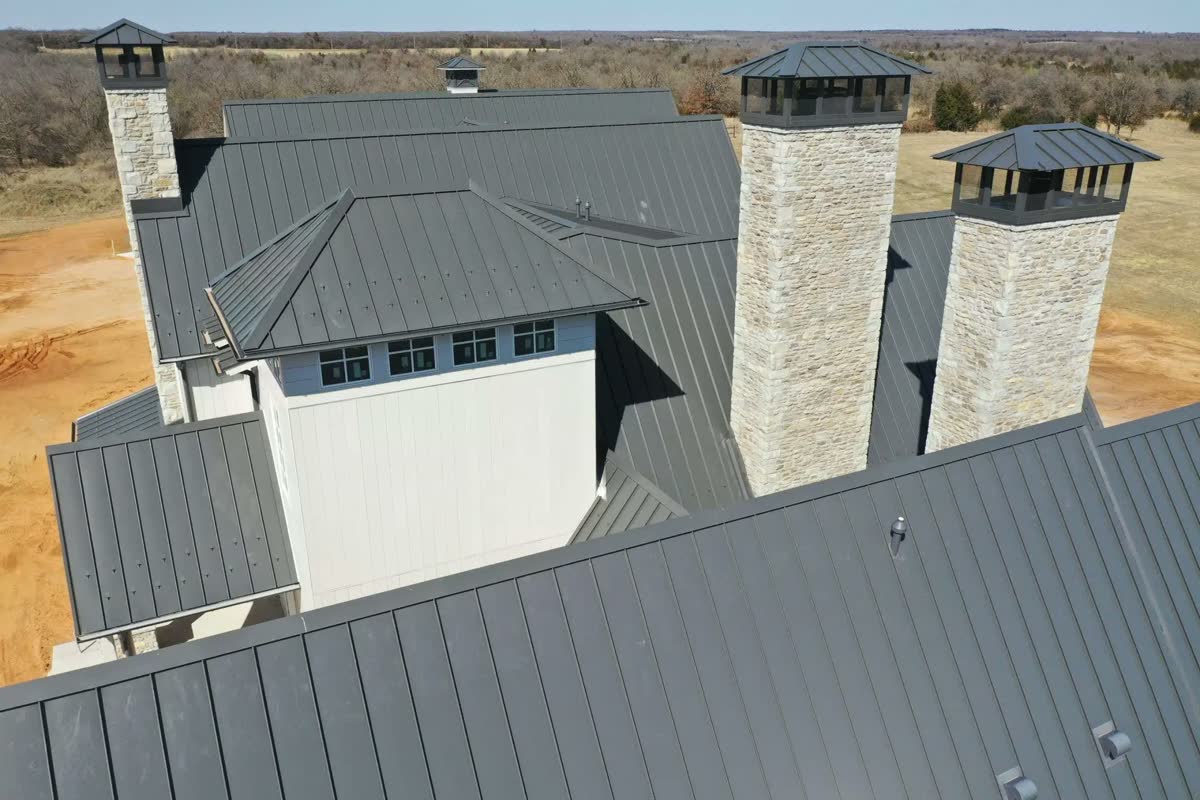
Metal roofing has evolved significantly. Today’s metal tile systems replicate the appearance of traditional slate, shake, or clay while offering lighter weight and high durability.
Metal options are especially attractive for homeowners who want the look of premium tile without the structural demands.
Benefits of Metal Tile Systems
- Long lifespan (40–70 years)
- Lightweight construction
- High wind resistance
- Energy efficiency
- Lower structural load requirements
Some systems, such as synthetic or composite tiles, are engineered to mimic slate or shake profiles with enhanced flexibility.
How Do Asphalt Shingles Compare?
While this article focuses on tile systems, many homeowners still evaluate asphalt options during their research.
Questions often arise such as, are GAF shingles good when comparing them to tile or metal systems. High-quality architectural shingles from trusted manufacturers can provide reliable performance for 20–30 years.
What Are Laminate Shingles?
When homeowners ask, what are laminate shingles, they’re typically referring to architectural shingles. These multi-layered shingles offer more dimension and durability than traditional three-tab shingles.
Laminate shingles are often chosen for their enhanced wind resistance and upgraded appearance.
Shingle Styles vs. Tile Styles
There are many shingle styles available, including dimensional, designer, and impact-resistant options. However, even premium asphalt generally does not match the lifespan of clay, slate, or metal tile systems.
Some manufacturers offer specialty products like GAF slate shingles on house designs, which replicate the look of natural slate while maintaining lighter weight and lower cost. These systems provide aesthetic appeal but do not deliver the same longevity as natural slate.
Choosing the Right Material for Your Home
Selecting between various roofing tiles types depends on:
- Structural capacity
- Budget
- Architectural style
- Long-term ownership plans
- Desired maintenance level
If longevity is your top priority, slate or clay may be ideal. If weight or flexibility matters more, metal tile systems offer a compelling alternative.
Work with a Roofing Partner Who Understands Premium Materials
Choosing the right roofing system takes more than comparing product options. It requires thoughtful evaluation, precise installation, and an understanding of how Oklahoma’s climate affects long-term performance.
At McRay Roofing & Exteriors, we help homeowners across Oklahoma select roofing solutions that protect their investment and complement their home’s design. Whether you’re comparing clay, concrete, slate, or metal options, we’re here to provide clear, experienced guidance every step of the way. If you’re ready to explore your options with a team that values craftsmanship and communication, let’s talk.